You want warm, but not orange. Bright, but not hay. That is the honey blonde negotiation every year, and 2027 is no different. The shade sits between gold and caramel, which means the grow-out line stays soft and the tone photographs well in any light.
34 looks cover the range, from a ten-minute air-dry to a full foil session. Fine hair, thick waves, curtain bangs, blunt bobs. The collection holds one for your texture and your schedule. Which is why Stylish Honey Blonde Hair 2027 fill so many saved boards. The struggle is finding the version that actually works on a Tuesday morning. This one does.
Honey blonde with subtle highlights and soft waves
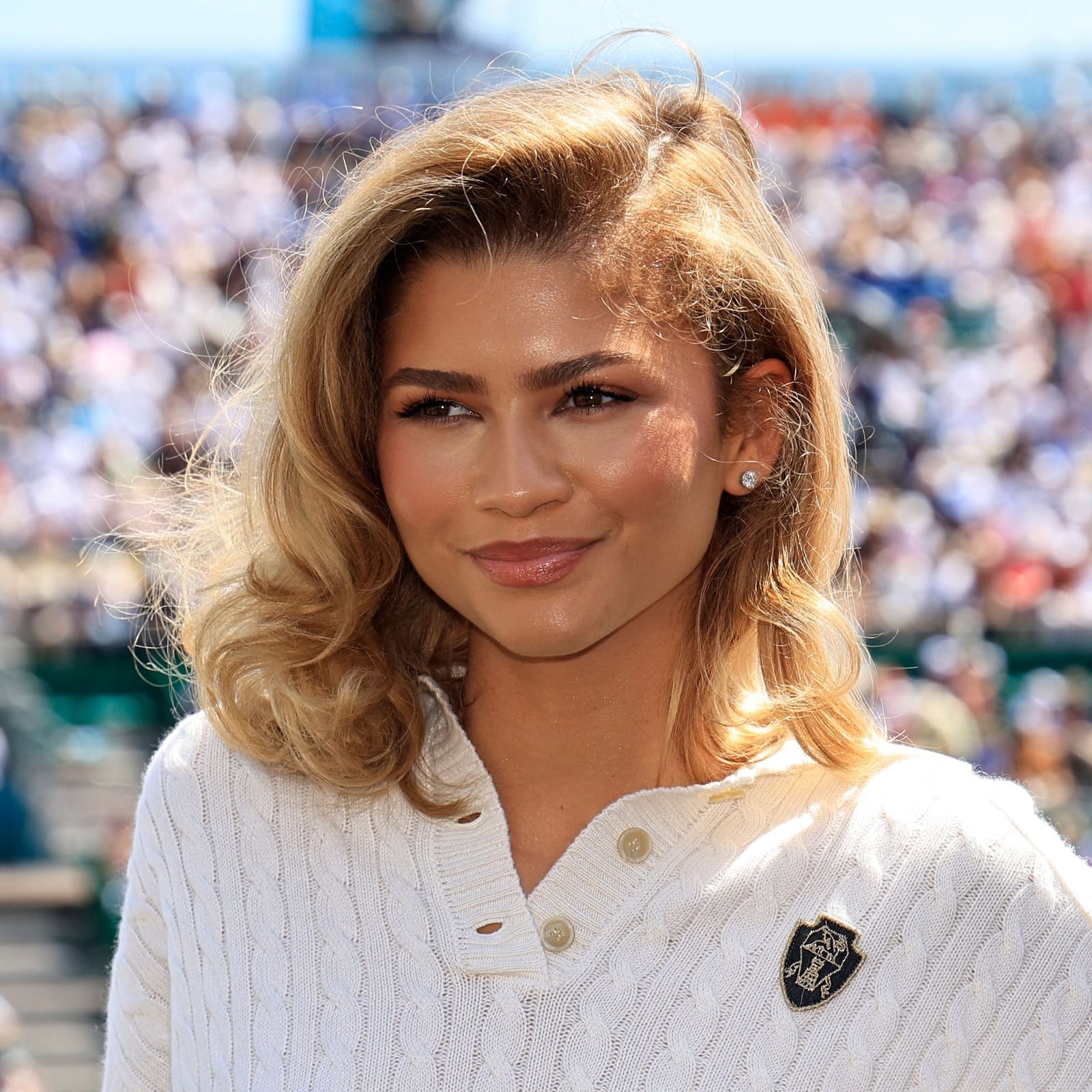
Warmth carries this shade. The honey blonde base looks sunkissed rather than brassy, and the subtle highlights are fine enough to catch light without striping the color. Wavy texture from a blowout keeps the finish neat, not stiff. Side parting lets the layers fall where they naturally want to. Fine to medium hair with some existing length benefits most here. Skip it if your idea of a good blonde involves a single tube of color and zero styling. Ask your colorist for: honey blonde with subtle highlights, layered cut, side part.
Blended highlights frame a honey blonde bob
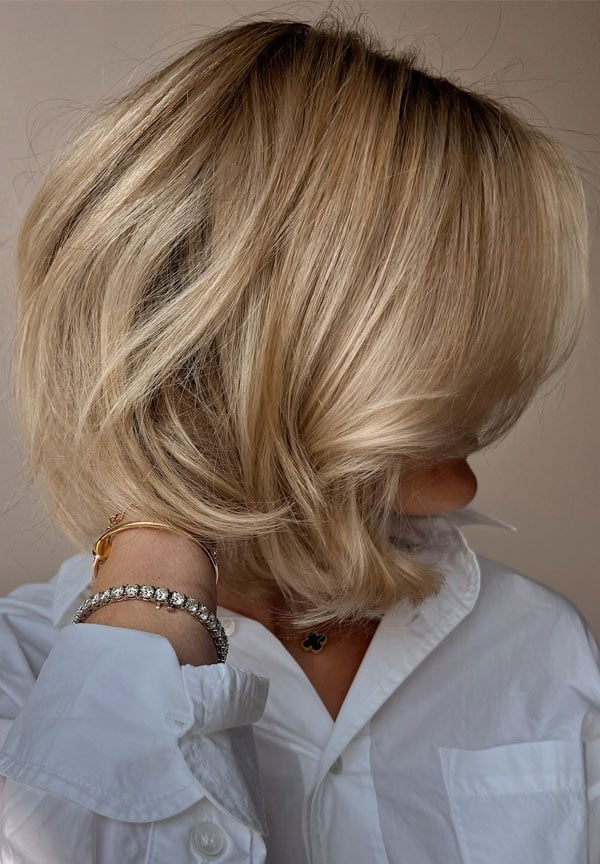
Compared to a solid honey blonde bob, this version adds fine, blended highlights that stop the cut from looking flat. The bob itself lands somewhere practical, jaw-grazing, wavy, fine, and the side part creates asymmetry that softens a square jaw. Skip it if you need hair you can tie back or hate booking trims.
Air-dried curls showcase honey blonde and fine highlights
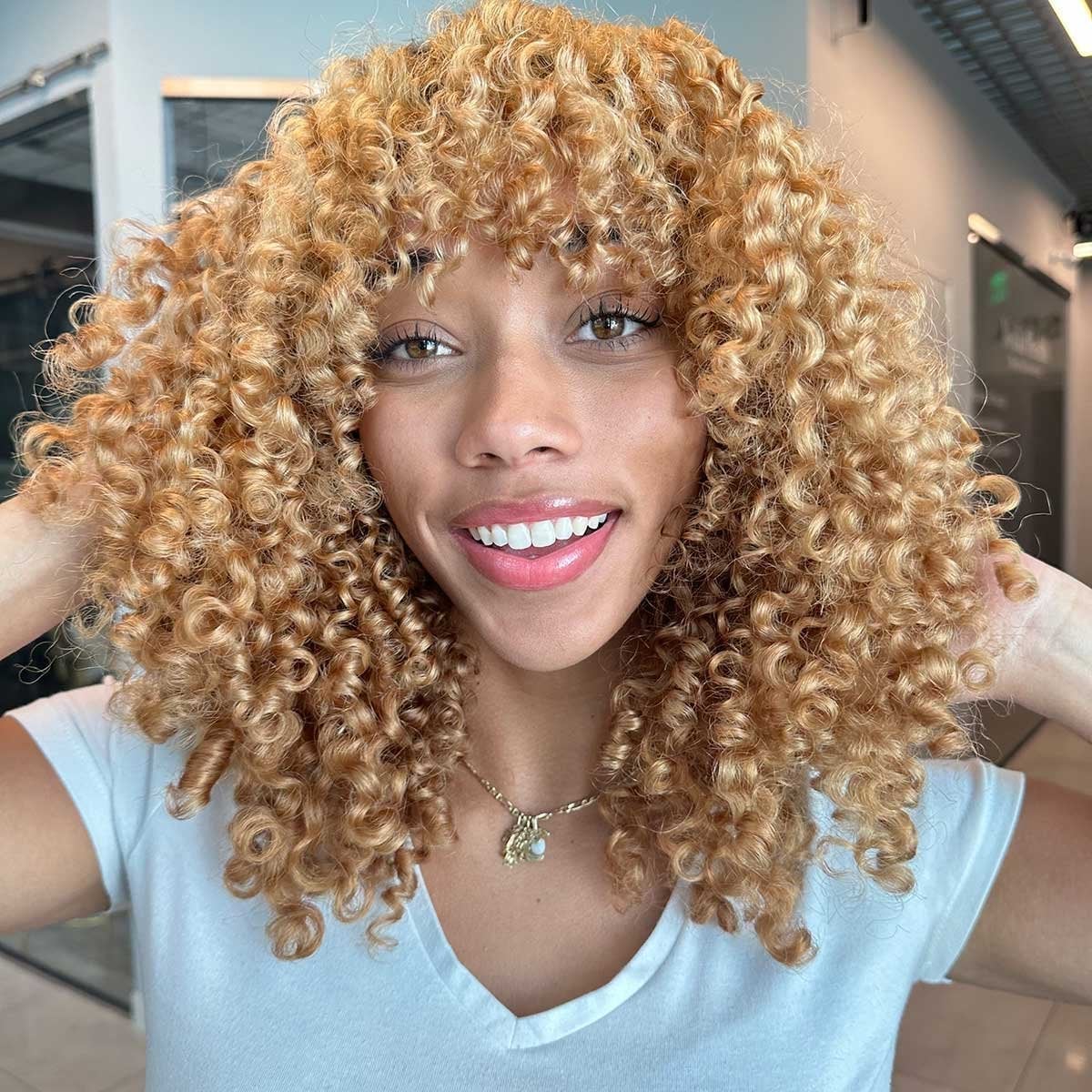
Curly hair and a full fringe, can they coexist without daily wrestling? Yes, when the cut is layered and the fringe lands at brow level. The honey blonde base stays warm while fine highlights add subtle lift around the hairline. Air-dried texture means no heat styling, but the fringe will need a trim every four to six weeks. Request from your colorist: layered cut, full fringe, honey blonde with fine highlights.
Waves that add volume to thick honey blonde hair
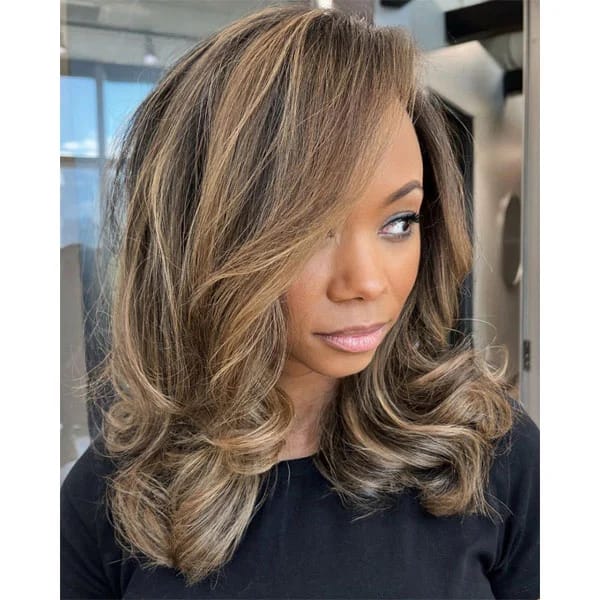
Thick hair gets a bad reputation for being heavy. Here, layers cut through the density and side-swept bangs break up the width. The honey blonde base carries subtle blended highlights that look natural, not painted on. Waves from a blowout add lift at the crown. Not for very fine hair that won’t hold that kind of volume.
Curtain bangs and face-framing layers for honey blonde waves
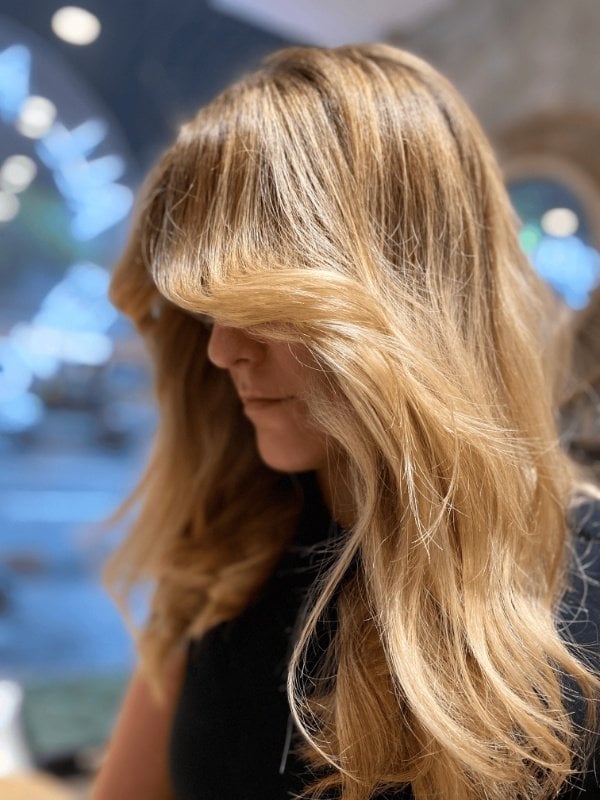
Thin lighter strands woven through the honey blonde base, not highlights in the traditional sense, more like a hand-painted ribbon effect. The curtain bangs sweep away from the face and the layers sit just below the cheekbone. Fine, wavy texture from a gentle blowout keeps the look soft. Curtain bangs suit most face shapes but require a round brush and five extra minutes. Request from your colorist: layers, soft curtain bangs, honey blonde with thin lighter strands.
Bouncy blowout with face-framing layers and curtain bangs, wavy
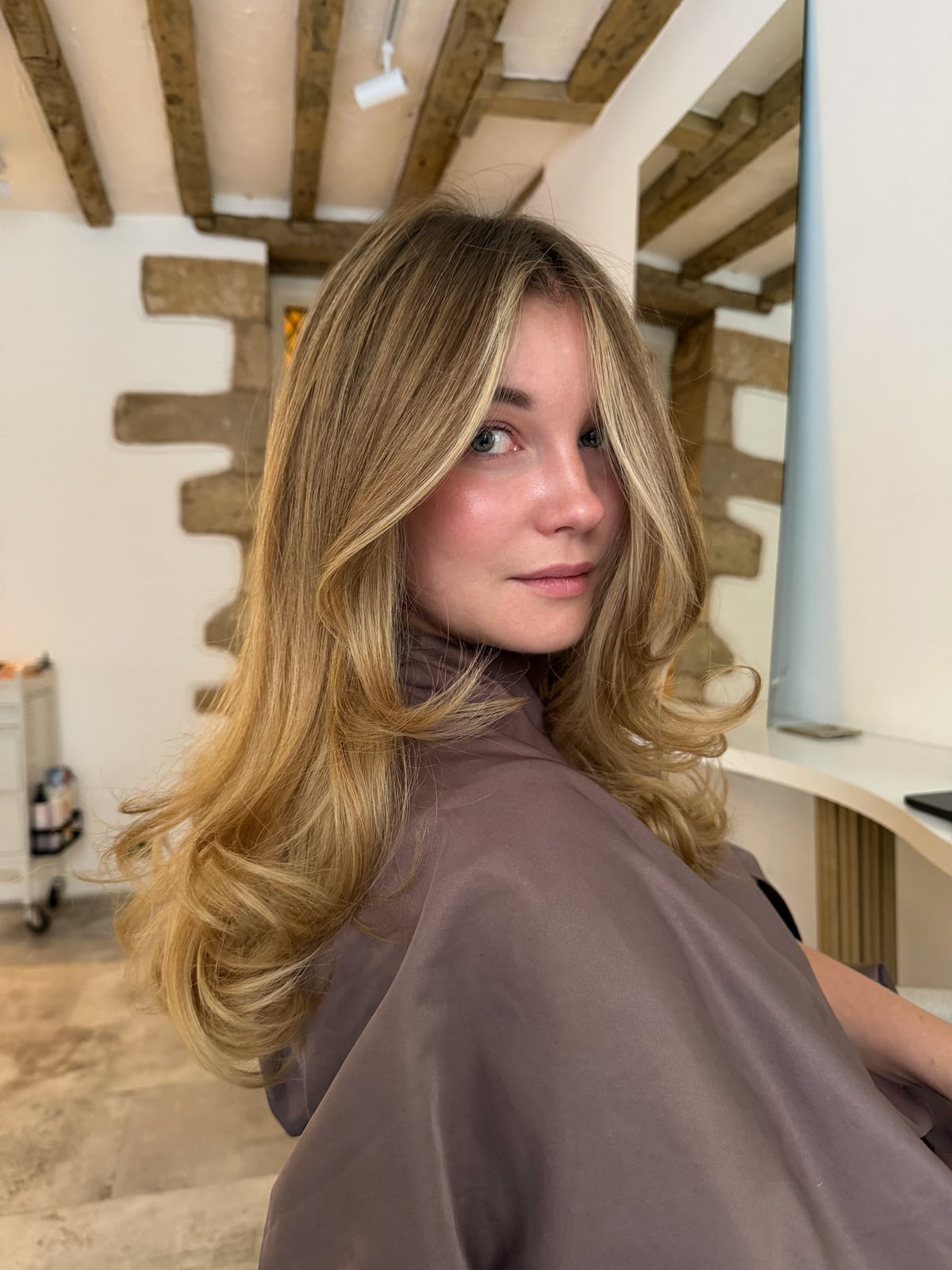
Between a sleek blowout and a fully air-dried wave sits this. The honey blonde base carries thin lighter strands blended just enough to look natural, not striped. A side part and a medium round brush build the bounce without fighting the wave. Fine to medium hair starting at collarbone length holds the shape best. It works best with a blowout; very thick hair may make the volume hard to control.
Face-framing layers on fine wavy honey blonde hair
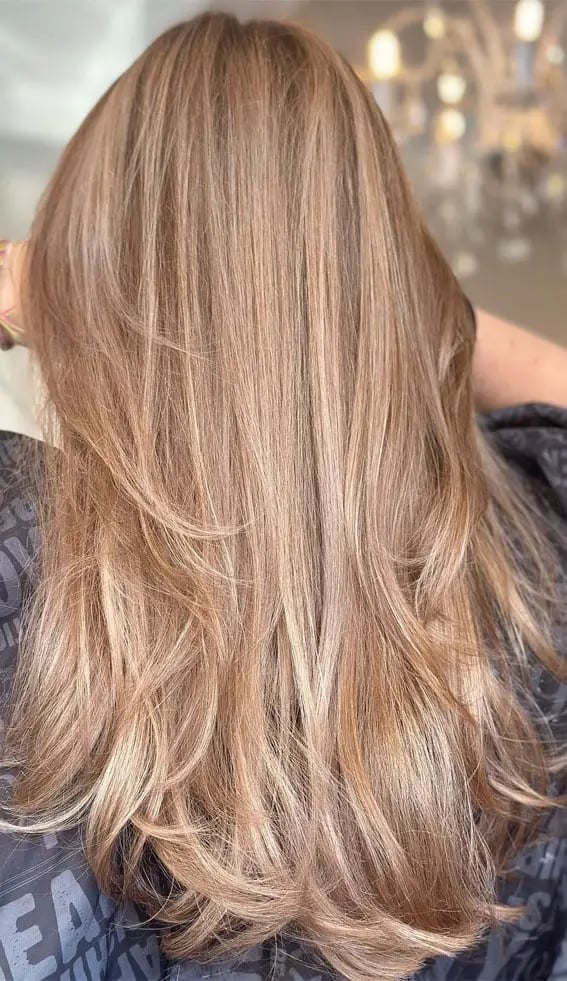
The layers here start around the jaw and graduate shorter toward the cheekbones. Fine, wavy honey blonde hair needs that precise graduation to keep the ends from looking stringy. The subtle blended highlights sit close to the base shade, so regrowth stays soft. Request from your colorist: layered cut, face-framing pieces, honey blonde with subtle blended highlights. A smoothing serum on the ends stops the wave from turning frizzy by midday. Very thick or straight hair can cause the layers to disappear into the density.
Face-framing highlights on a honey blonde lob
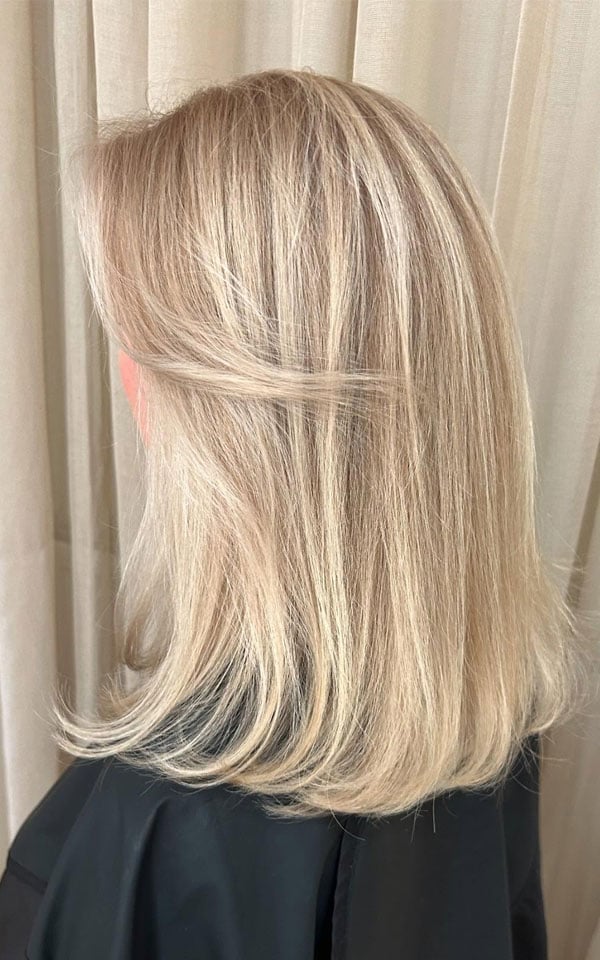
Notice how the blonde highlights sit only around the front of this lob. The honey blonde base stays solid, which keeps the look from feeling busy. A center part splits the face-framing pieces evenly, so both sides get the same lift. Fine, wavy texture works with this because the waves add grip for the highlights to look deliberate. The cut itself lands at collarbone, short enough to feel fresh, long enough to tuck behind an ear. A blunt cut or very straight hair does not work well; the soft blowout needs some natural bend to hold.
Subtle highlights add warmth to honey blonde tone
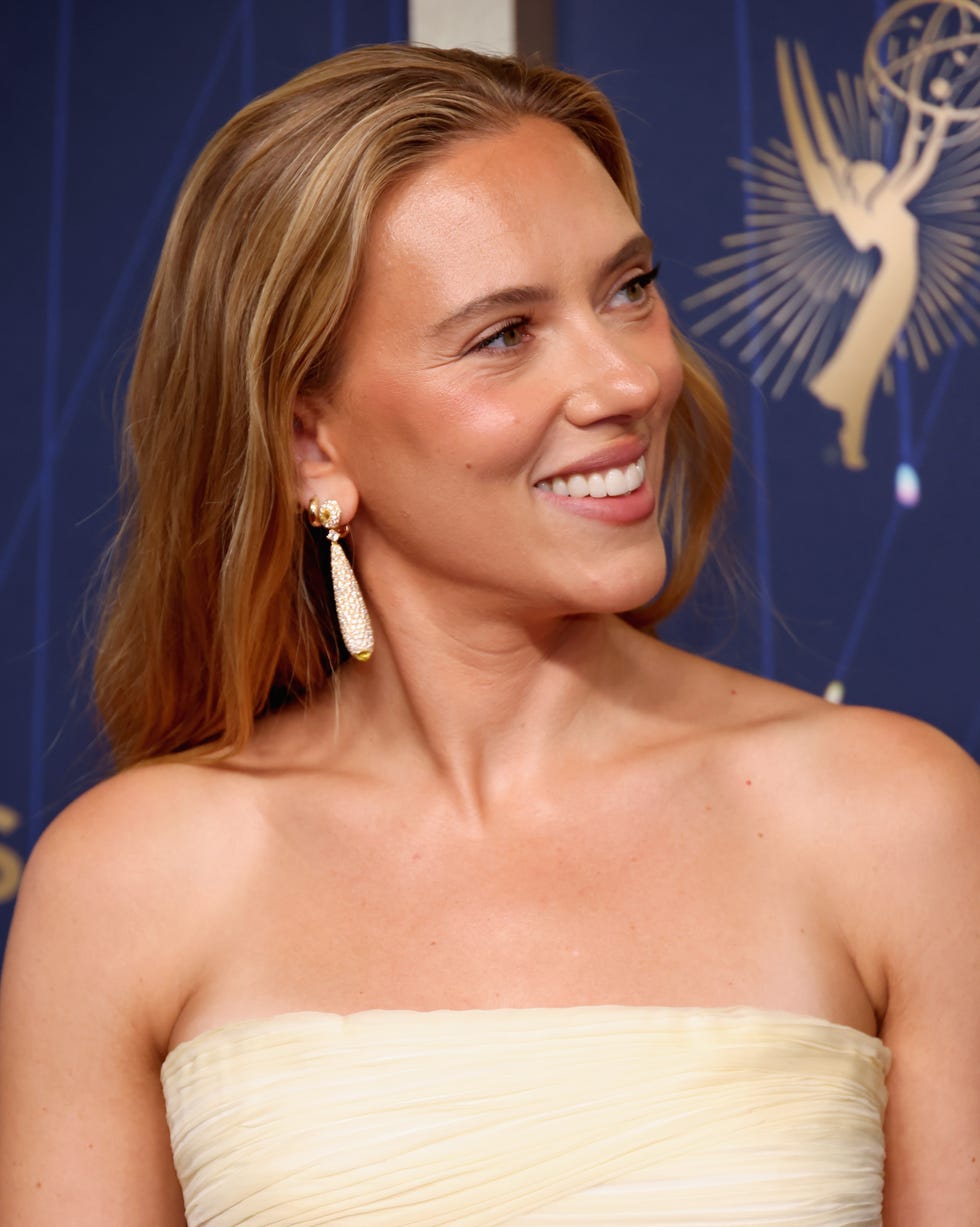
The subtle highlights here break up the tone without adding visible contrast, which means the warmth stays consistent from root to end. The layered cut and side part let those lighter pieces fall forward for a natural sun-hit effect. Request from your colorist: layers, honey blonde with subtle highlights, side part. The trade-off: subtle highlights need a gloss refresh every six weeks or the warm tone shifts brassy. The highlights rely on the asymmetry to show, so this style works best with a side part rather than a middle part or a solid color.
Air-dried honey blonde with fine highlights and side part
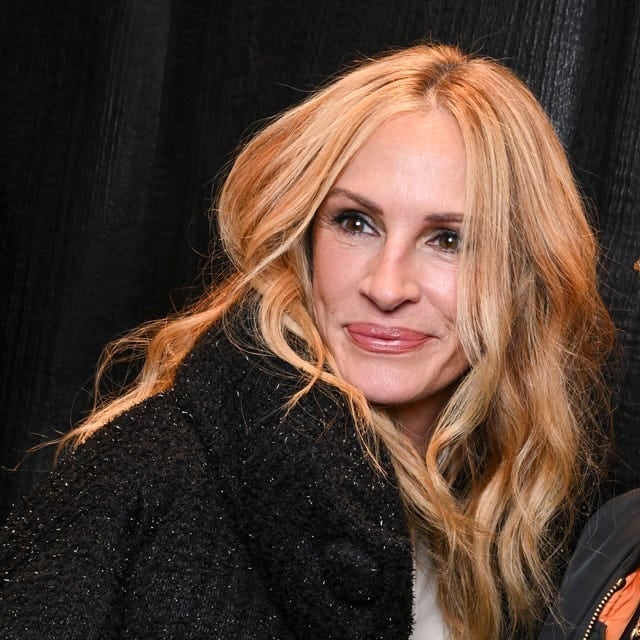
Fine highlights woven through the honey blonde base create the dimension here without needing a blowout to show it. The layered cut and side part let the air-dried texture do the work. Fine, wavy hair starting at collarbone length or longer gives the wave pattern enough weight to fall softly. The air-dried finish looks undone rather than styled.
Loose waves polish shorter front honey blonde sections
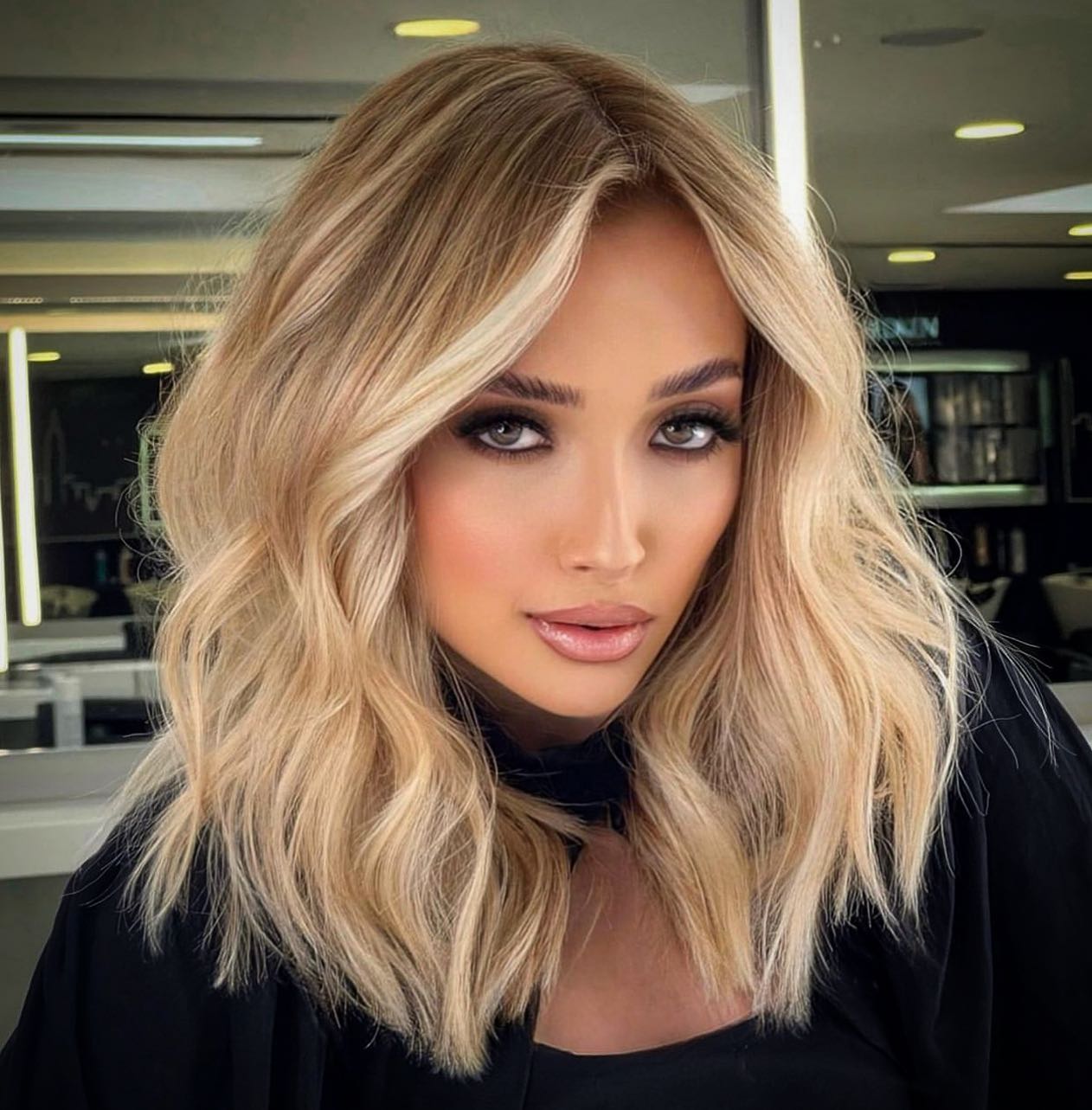
Shorter front sections change the math on a warm honey blonde base. Instead of all-one-length weight, the front pieces land at the jaw while the rest stays longer. Subtle blended blonde highlights run through those shorter sections, not the whole head. That keeps the dimension concentrated where it moves most. Fine hair starting at collarbone length or longer has enough weight to hold the shape. Those front pieces need a round brush or a one-inch iron to curve inward. Tell your colorist: honey blonde with subtle blended blonde highlights. A texturizing spray keeps the wave structure without crunch.
Smooth blowout frames face on straight honey blonde bob
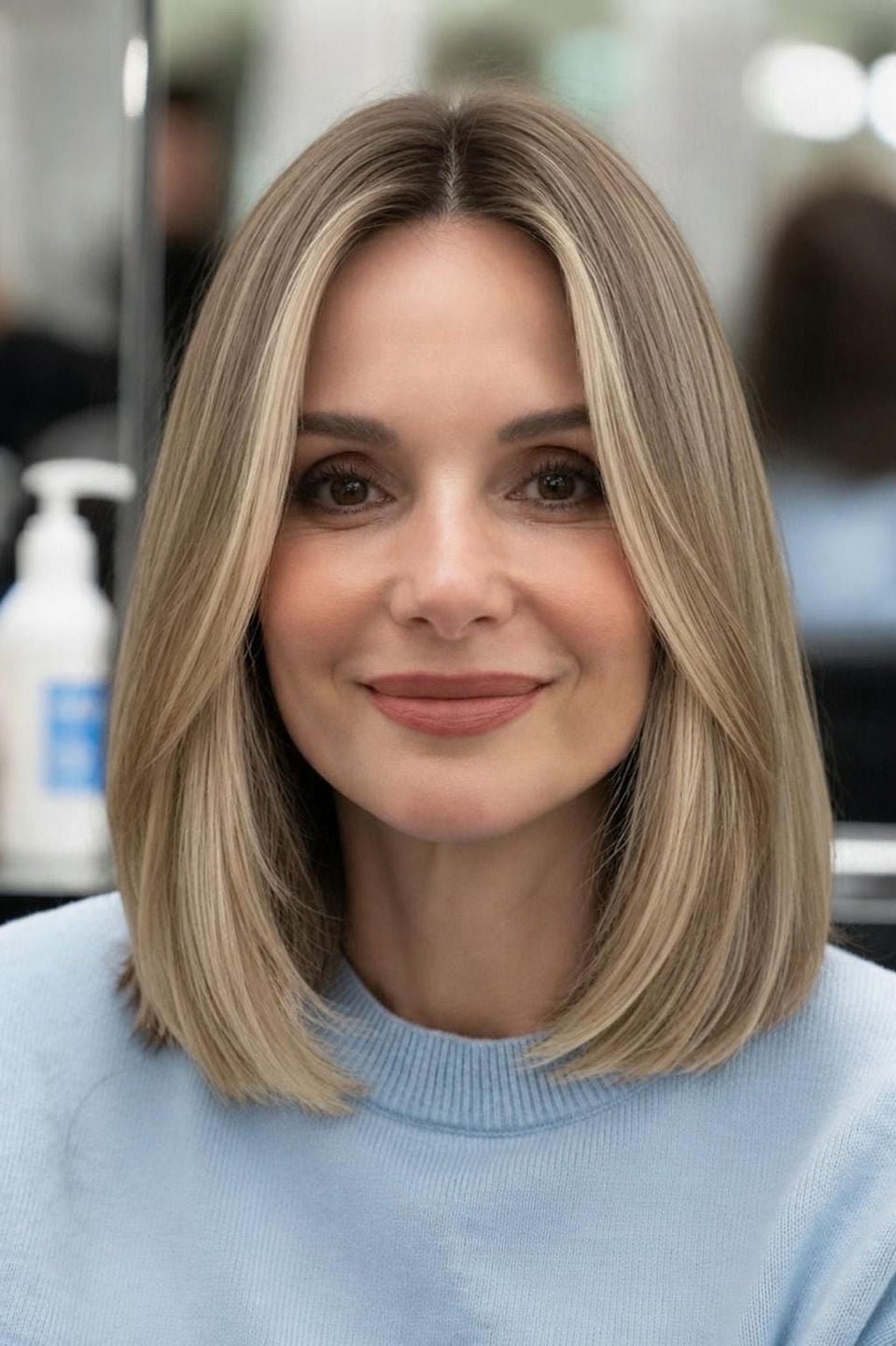
A bob usually leans blunt, but this one works because the subtle blonde highlights sit at the front edge. Fine straight hair holds the middle part cleanly, and the honey blonde base looks one piece from behind. The catch: wavy or curly texture would need a flat iron every wash to match this finish. Stick with a bob if you already reach for a smoothing cream most mornings.
Blended blonde highlights on a layered cut
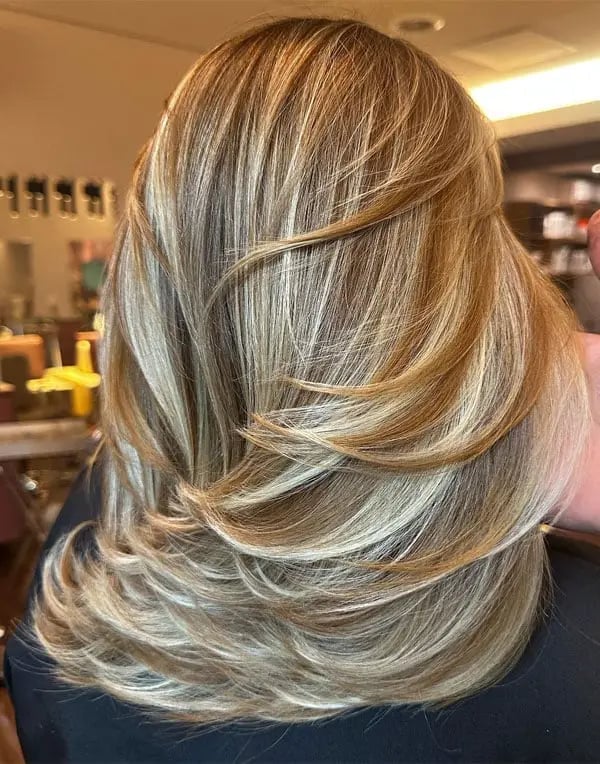
Soft layers do the structural work here. The blended blonde highlights run through every tier of the cut, so the color shifts as the hair stacks. A smooth blowout with gentle waves shows the layering without making it choppy. Fine hair at collarbone length or longer benefits from this weight distribution, layers remove bulk without losing density. Request from your colorist: soft layers with blended blonde highlights. The result is a cut that moves with the blowout, not against it.
Voluminous blowout with creamy honey blonde highlights
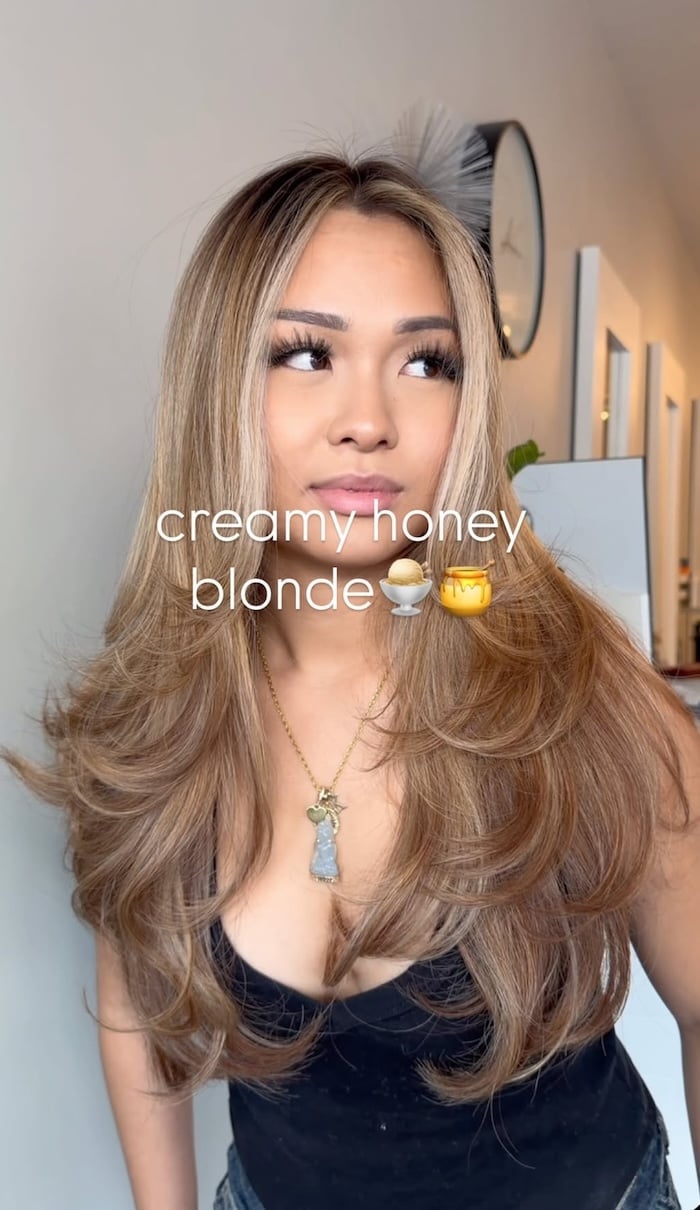
Creamy honey blonde looks a single shade from a few feet away. Up close, the subtle blended highlights create enough lift that the layers actually stack. Thick wavy hair starting at collarbone length or longer has the density to support this much volume at the crown. A round brush and a medium heat setting give the roots the lift they need to hold the shape through the day.
Two tones: honey blonde base with lighter blonde highlights
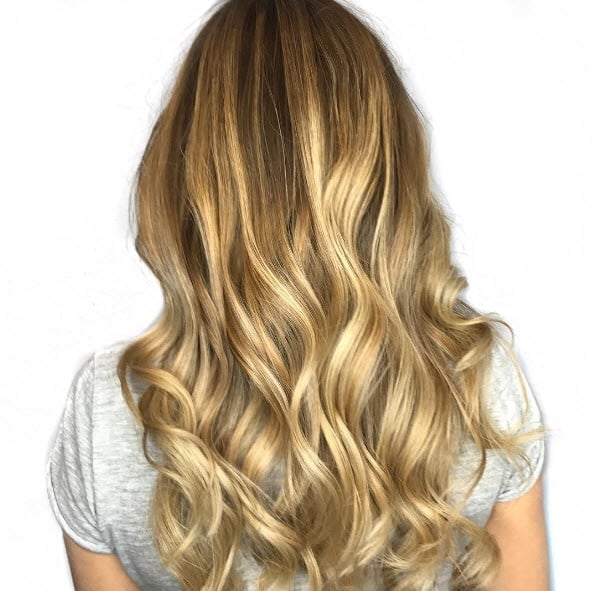
Two distinct tones instead of a blended wash. The warm honey blonde base stays deep, while lighter blonde highlights sit on top of the layers for a sun-struck effect. Thick wavy hair at collarbone length or longer shows the contrast best because the waves separate the tones naturally. Not for solid-color loyalists. The highlights need a second formula in the bowl. Layers keep the lighter pieces from looking like random streaks.
Classic blowout enhances voluminous waves in honey blonde
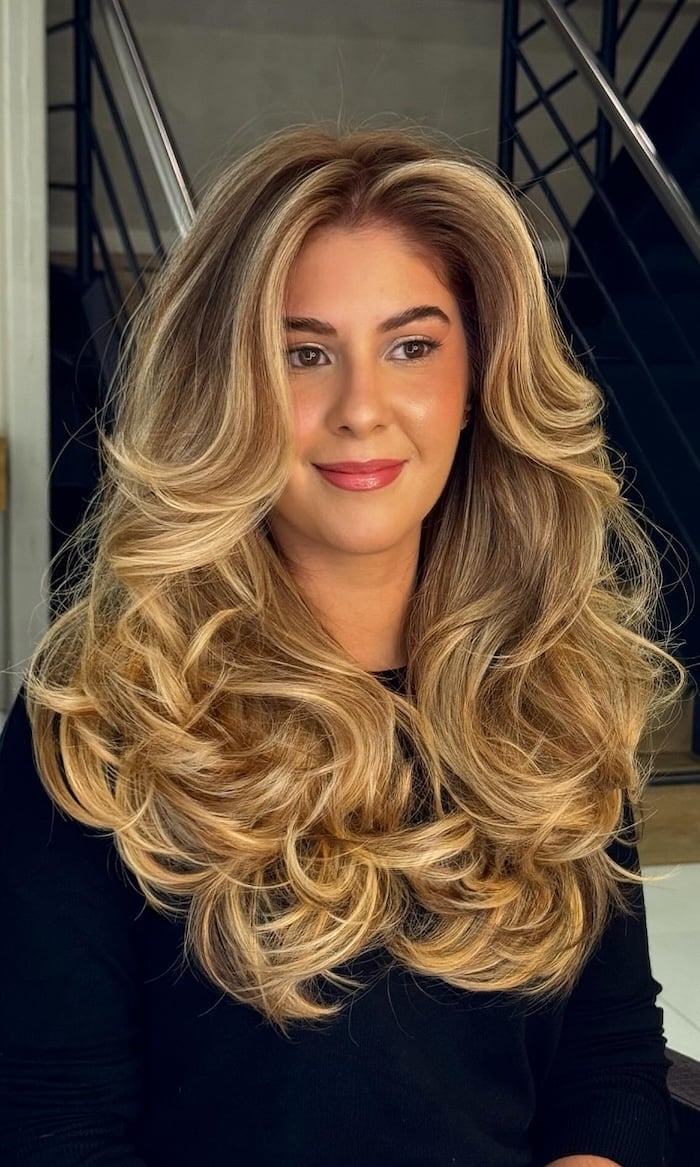
Middle part and a classic blowout turn a layered cut into a volume event. Thick hair starting at collarbone length or longer gives the stylist something to work with. Request from your colorist: layered cut, honey blonde with subtle blonde highlights, voluminous waves. Not for fine hair that won’t hold volume. A root-lifting spray before blow-drying makes the difference between big and flat.
Voluminous blowout with face-framing layers and curtain, close-up take
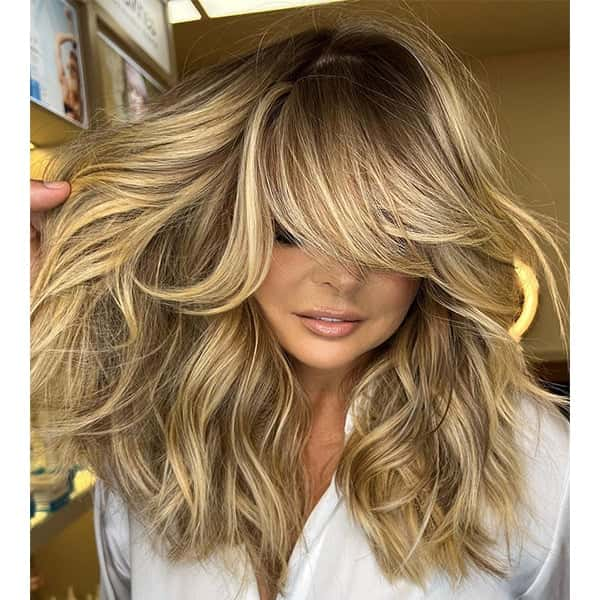
Pieces around the face and soft curtain bangs give a voluminous blowout its shape. The honey blonde base with subtle blonde highlights keeps the color dimensional without looking striped. Curtain bangs need a round brush and a blow-dryer every morning. Not for anyone who prefers low-maintenance bangs or air-dried styles.
Honey blonde balayage with curtain bangs, close-up take
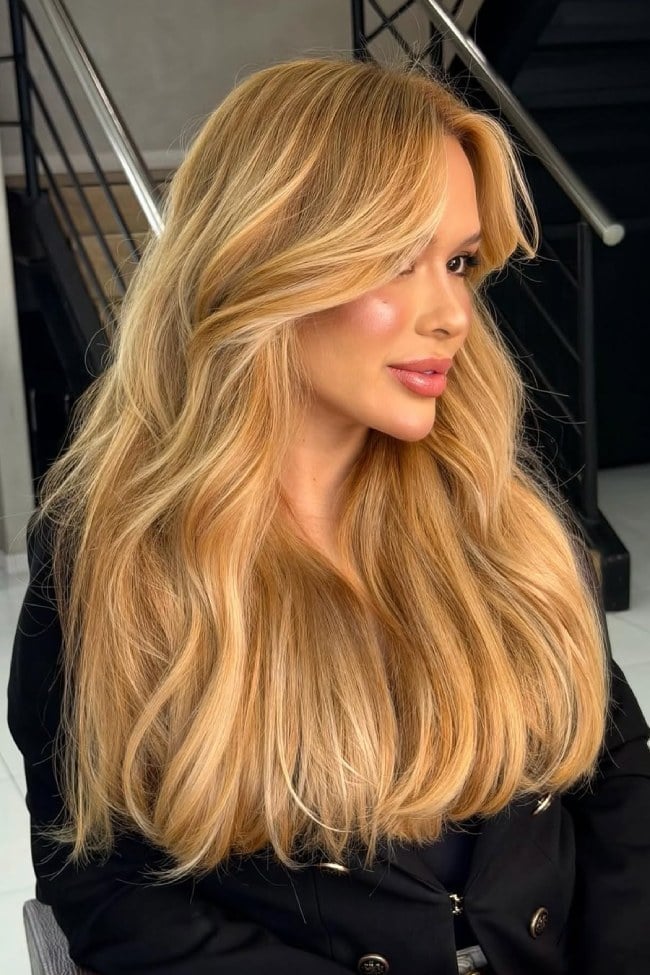
Honey blonde balayage with curtain bangs is a different animal from a full highlight. The color is painted freehand so the honey blonde base shows through at the roots, and the subtle blonde highlights concentrate around the face and ends. A side part lets the curtain bangs fall where they should. The catch: you style bangs every single day or they look like an afterthought.
Caramel highlights add lighter effect to balayage
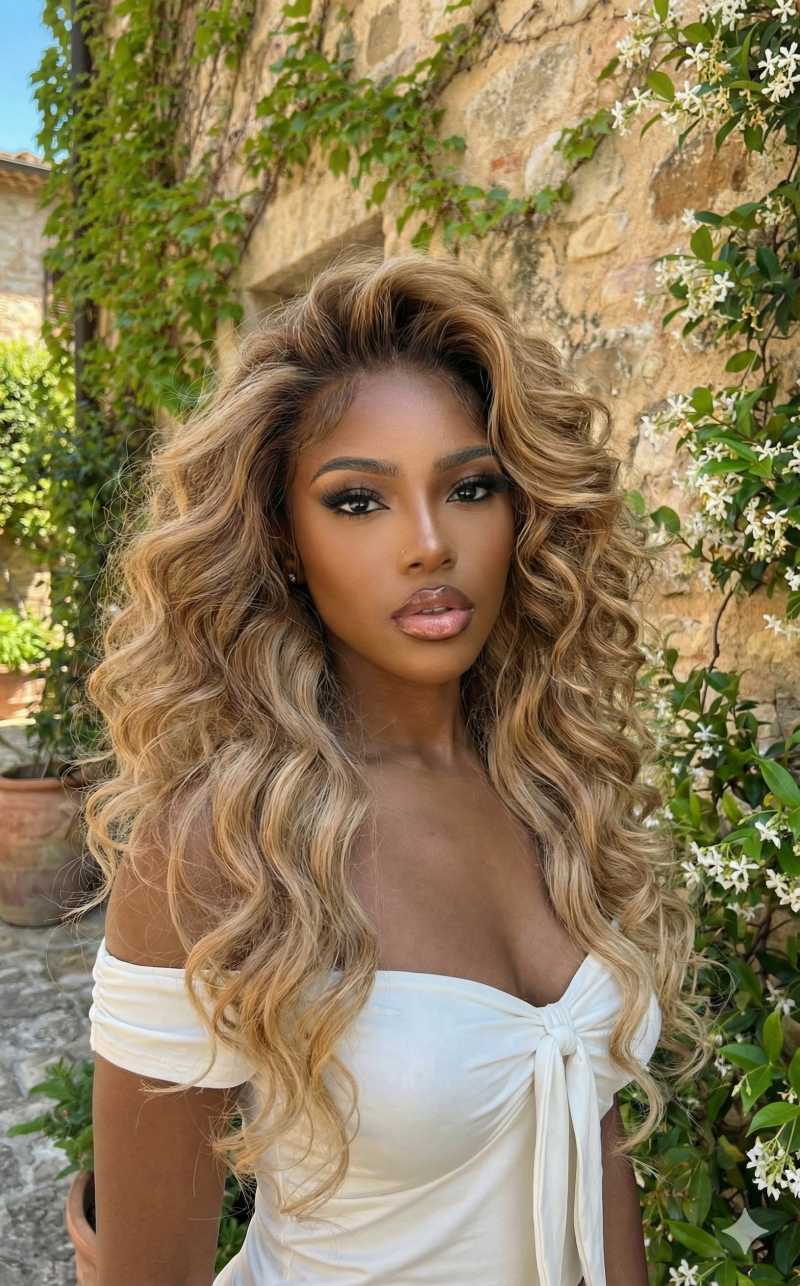
Caramel highlights woven through a honey blonde base create the lighter effect without brassiness. Balayage technique keeps the color blended so you don’t see a hard line at the root. Request from your colorist: honey blonde base, subtle caramel highlights, balayage. Thick, wavy hair shows off the color variation best. A curl-defining cream helps the waves hold their shape between washes.
Natural waves add softness to rich honey blonde
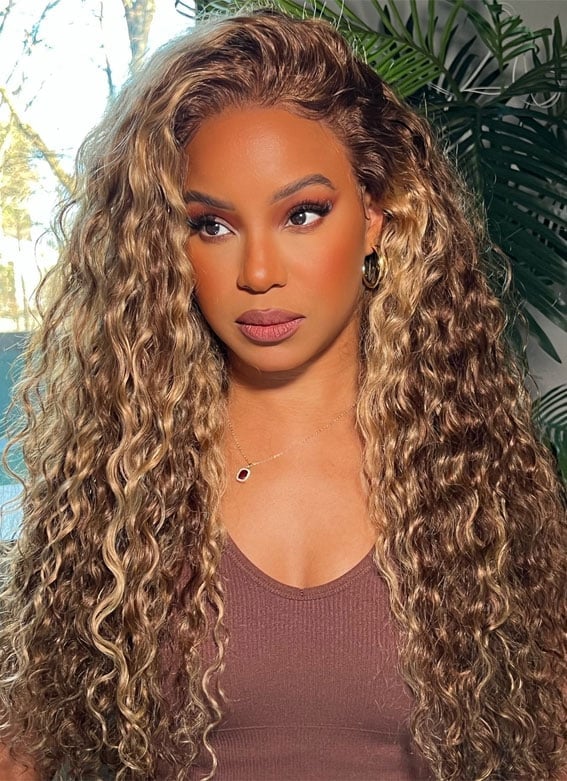
Rich honey blonde with subtle caramel highlights reads differently when styled air-dried. Loose waves and curls soften the color contrast, and a side parting keeps the look from feeling heavy. Thick, wavy hair holds the curl pattern without product. A diffuser helps if your natural wave needs encouragement. Toning every six to eight weeks keeps the honey tone from shifting too warm.
Balayage technique for a lighter honey blonde look
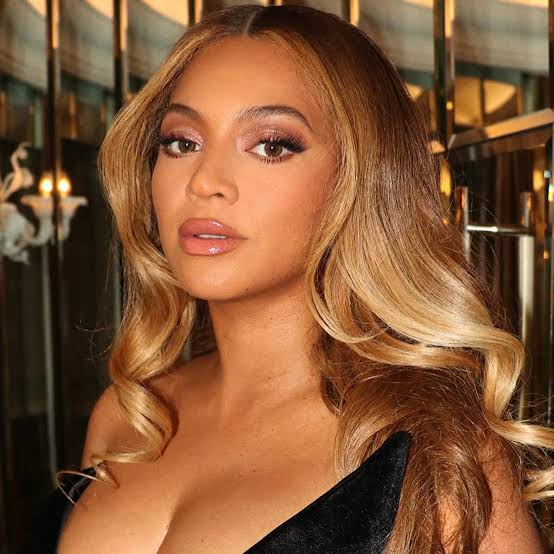
You could call it balayage with a middle part and soft waves. The honey blonde base runs through thick, wavy hair, and the lighter tones land where light naturally hits. A blunt cut would fight this technique. Not for solid color from root to end. Request from your colorist: layers, honey blonde base with balayage, soft waves. A texturizing spray keeps the waves from falling flat by midday.
Long layers with honey blonde balayage for a lighter, close-up take
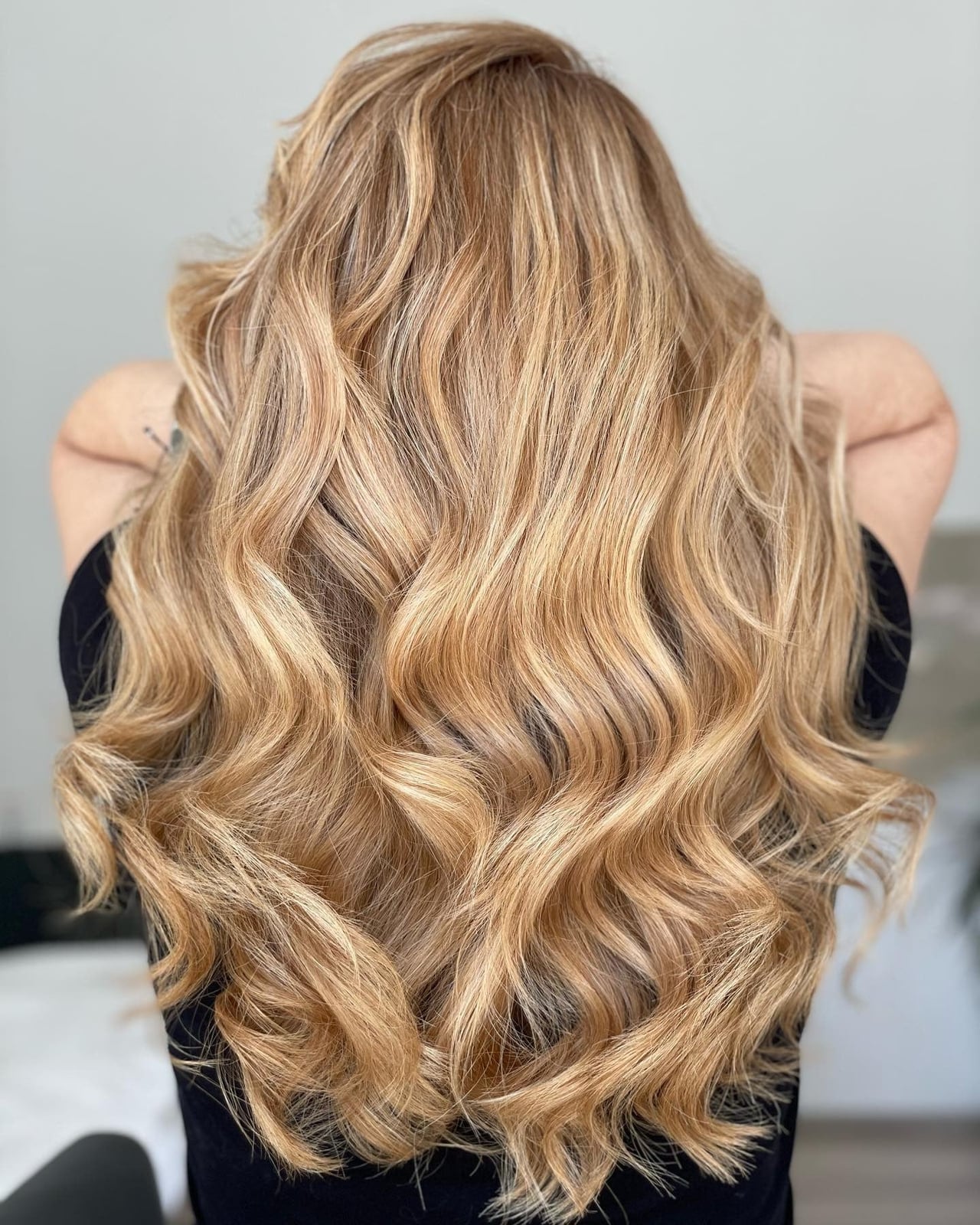
Back-view shots tell the truth about a balayage. The honey blonde tones start darker at the crown and lighten gradually through the long layers, hitting the ends with a sun-bleached finish. Thick wavy hair holds the soft voluminous waves without deflating by midday. You need at least shoulder-length hair for the gradient to read properly; a bob or lob compresses the transition into too short a span. The smooth blend means no hard regrowth line, which buys you eight to ten weeks between appointments. A heat protectant spray before blow-drying keeps the ends from drying out between toning sessions.
Root shadow transitions to radiant honey blonde balayage
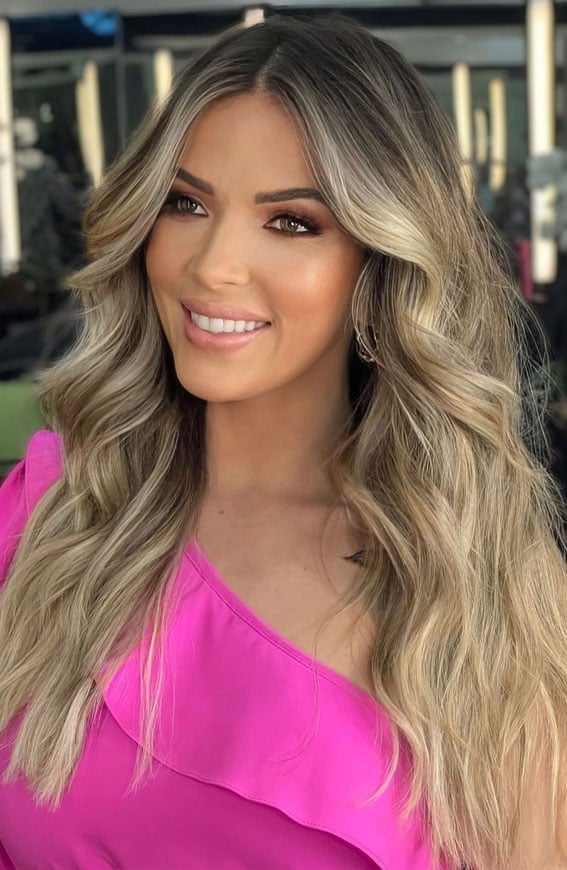
One honest trade-off: a dark blonde root shadow means a longer stretch between touch-ups, but the balayage needs precise placement to look smooth. Thick, wavy hair with a voluminous blowout and a middle part shows the transition clearly. The catch: very fine hair can make the root shadow look an awkward stripe rather than a soft fade. Request from your colorist: long layers, dark blonde root shadow, honey blonde balayage. The toning appointment at week eight is not optional.
Honey blonde balayage with root shadow and waves
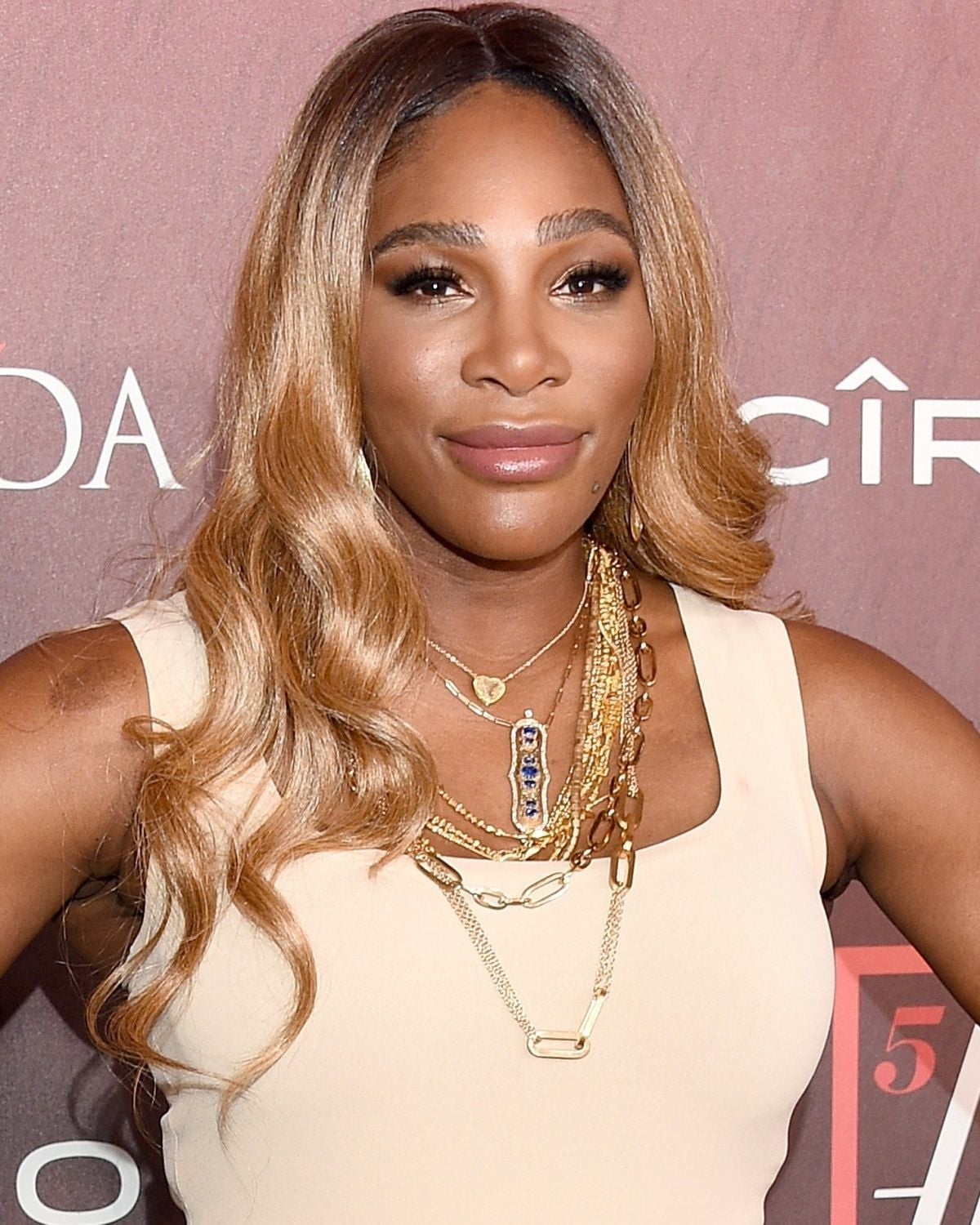
Wondering if a root shadow will make the honey look muddy? The trick is keeping the root tone just a shade darker than the mid-lengths. A subtle root shadow, honey blonde balayage, and lighter tones around the face in thick, wavy hair with a blowout and middle part. The mistake: asking for a root shadow that matches your natural color instead of a tone that bridges to the balayage.
Balayage transition from dark brown to honey blonde
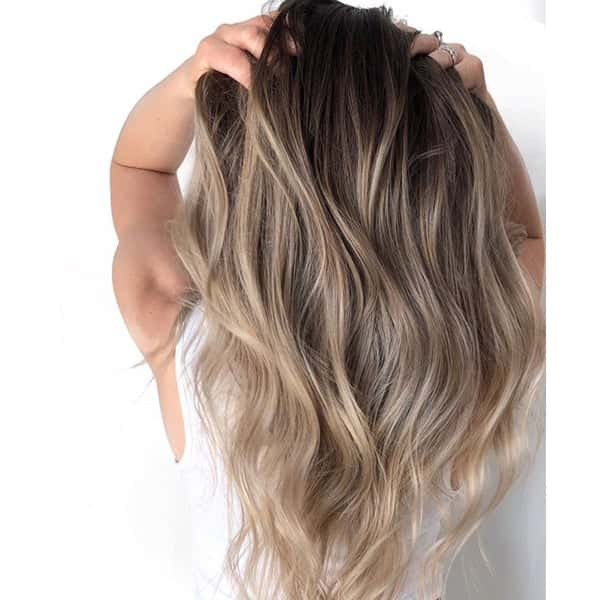
A dark brown base moving into warm honey blonde. The balayage technique places the lighter color higher on the top sections and keeps it softer toward the nape. Thick, wavy hair with loose waves and a back-view finish that shows the gradient. Not for a solid color or a more dramatic contrast. Request from your colorist: dark brown to honey blonde balayage, waves. The transition needs a stylist who understands how to feather the blonde into the brown.
Wavy layers show smooth balayage on dark brown base
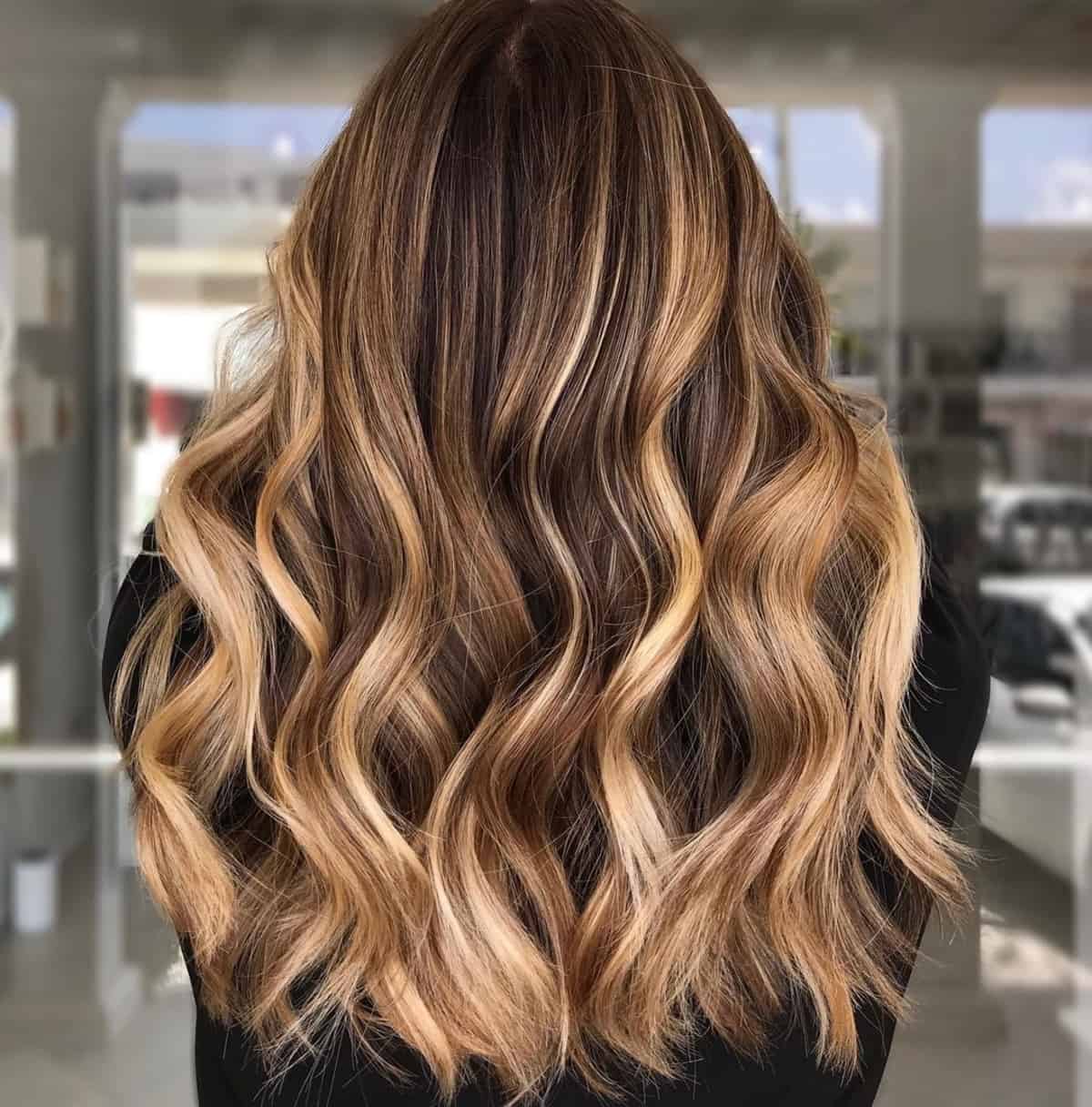
Dark brown base with honey blonde balayage works best on thick hair starting at collarbone length or longer. The smooth transition means no harsh regrowth line, which buys you eight to ten weeks between appointments. A texturizing spray helps define the loose wavy layers without weighing them down. A solid single-process color or a very blunt one-length cut does not create the same soft movement from the layers.
Curly thick hair with curtain bangs and darker roots
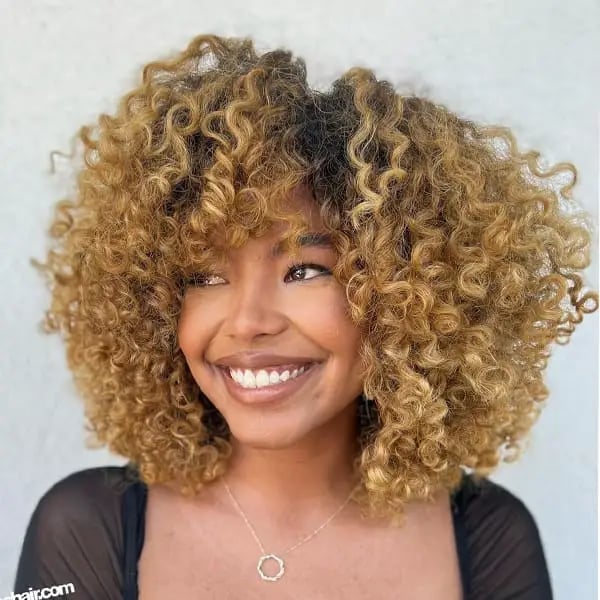
Curly thick hair needs a cut that works with the texture, not against it. Honey blonde with darker roots keeps the color low-maintenance while the layered cut and curtain bangs give shape. A curl-defining cream applied to wet hair avoids frizz when air-drying. The curtain bangs need trimming every four to six weeks to keep the length right. Request from your colorist: layers, curtain bangs, honey blonde with darker roots, balayage.
Sharp blowout adds volume to honey blonde bob
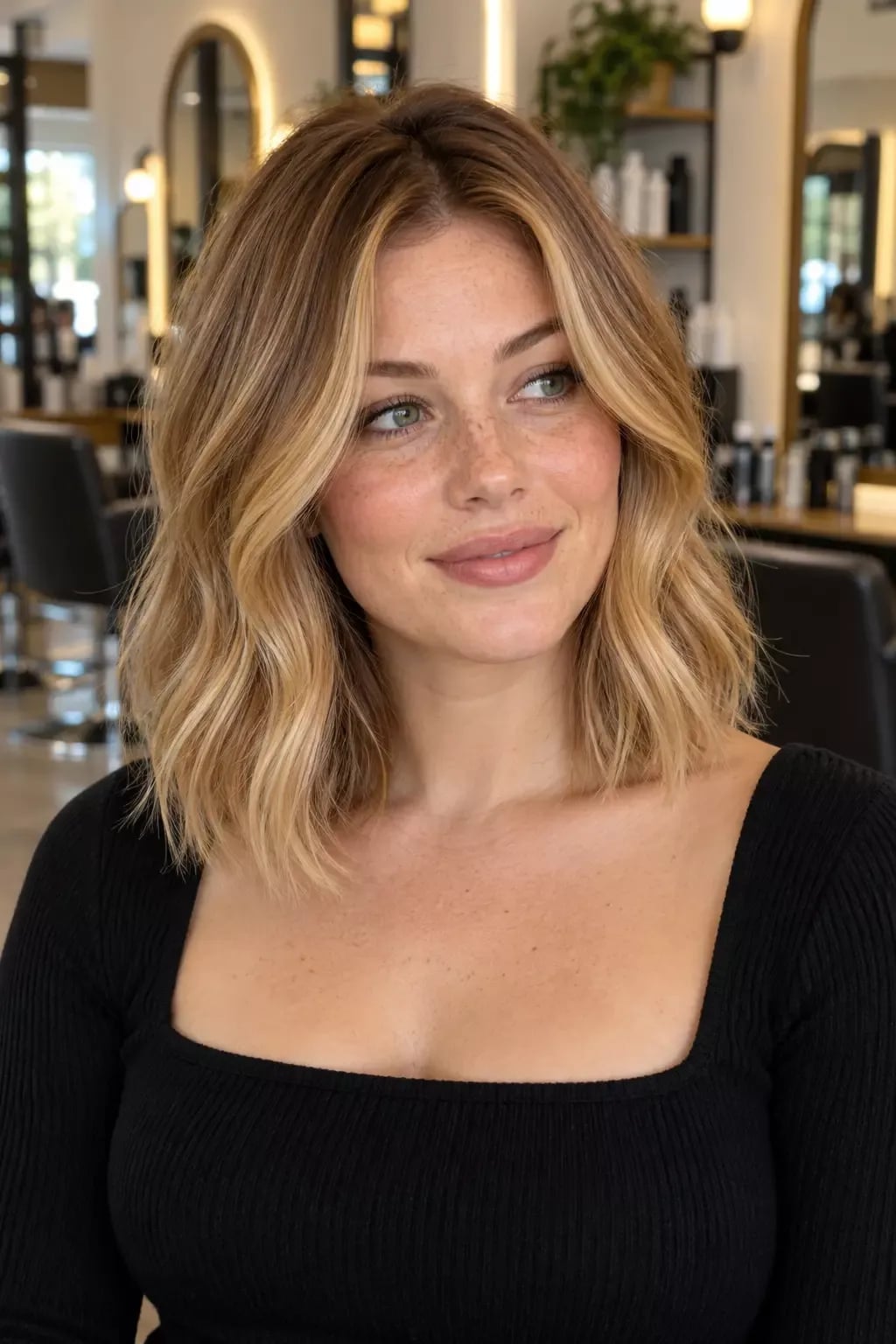
Blow-drying a honey blonde bob with curtain bangs takes about fifteen minutes with a round brush. The subtle blonde highlights add brightness without a full highlight retainer schedule. A trim every six weeks keeps the bob shape clean.
Air-dried waves on a honey blonde shag cut
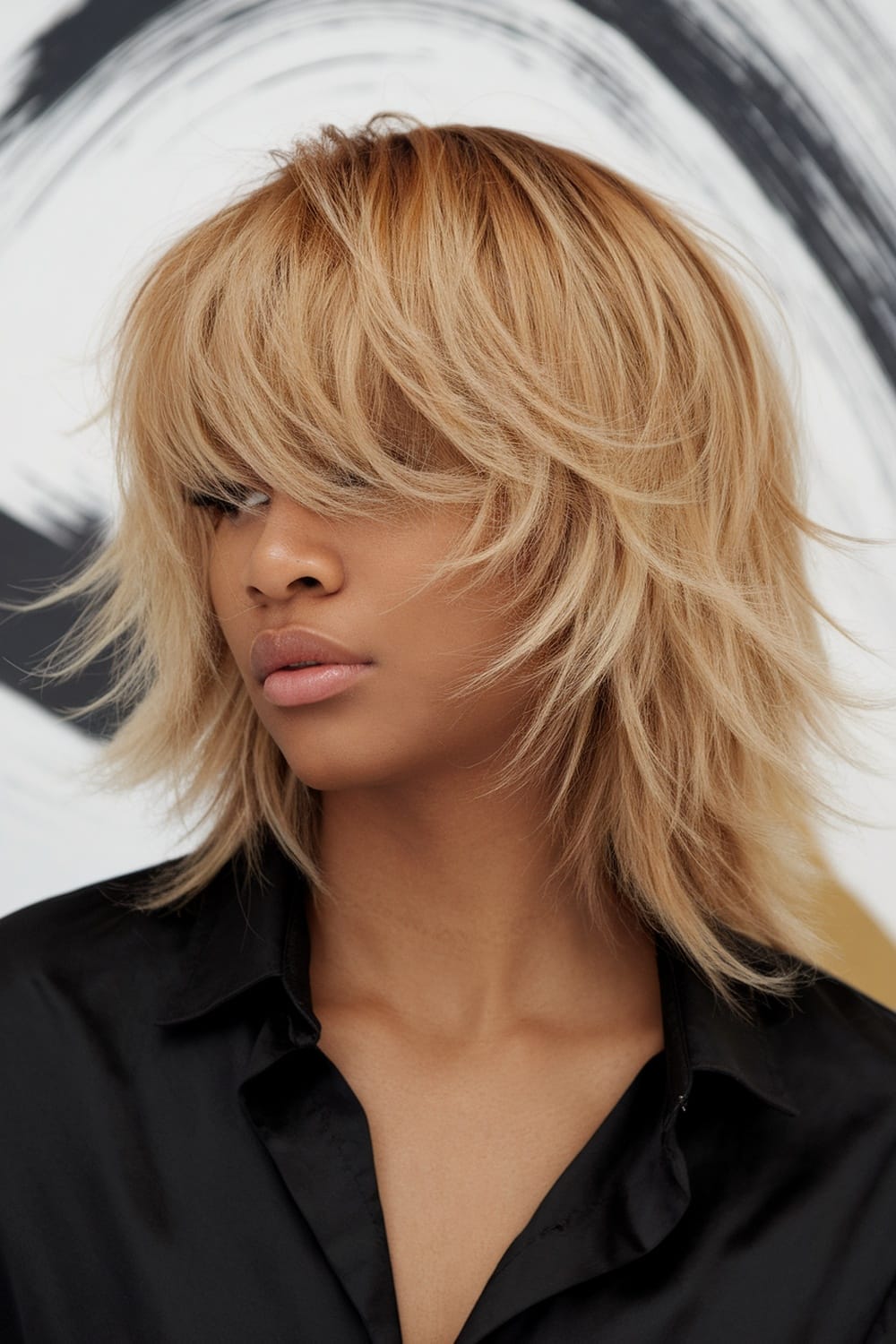
A shag cut with curtain bangs relies on texture, not length. Honey blonde with thin lighter strands scattered through the ends gives the shag its lived-in feel. A sea salt spray scrunched into damp hair encourages the air-dried waves. The shag shape holds about eight to ten weeks before the layers need reshaping. Request from your colorist: shag cut, curtain bangs, honey blonde with thin lighter strands.
Air-dried waves on fine honey blonde hair
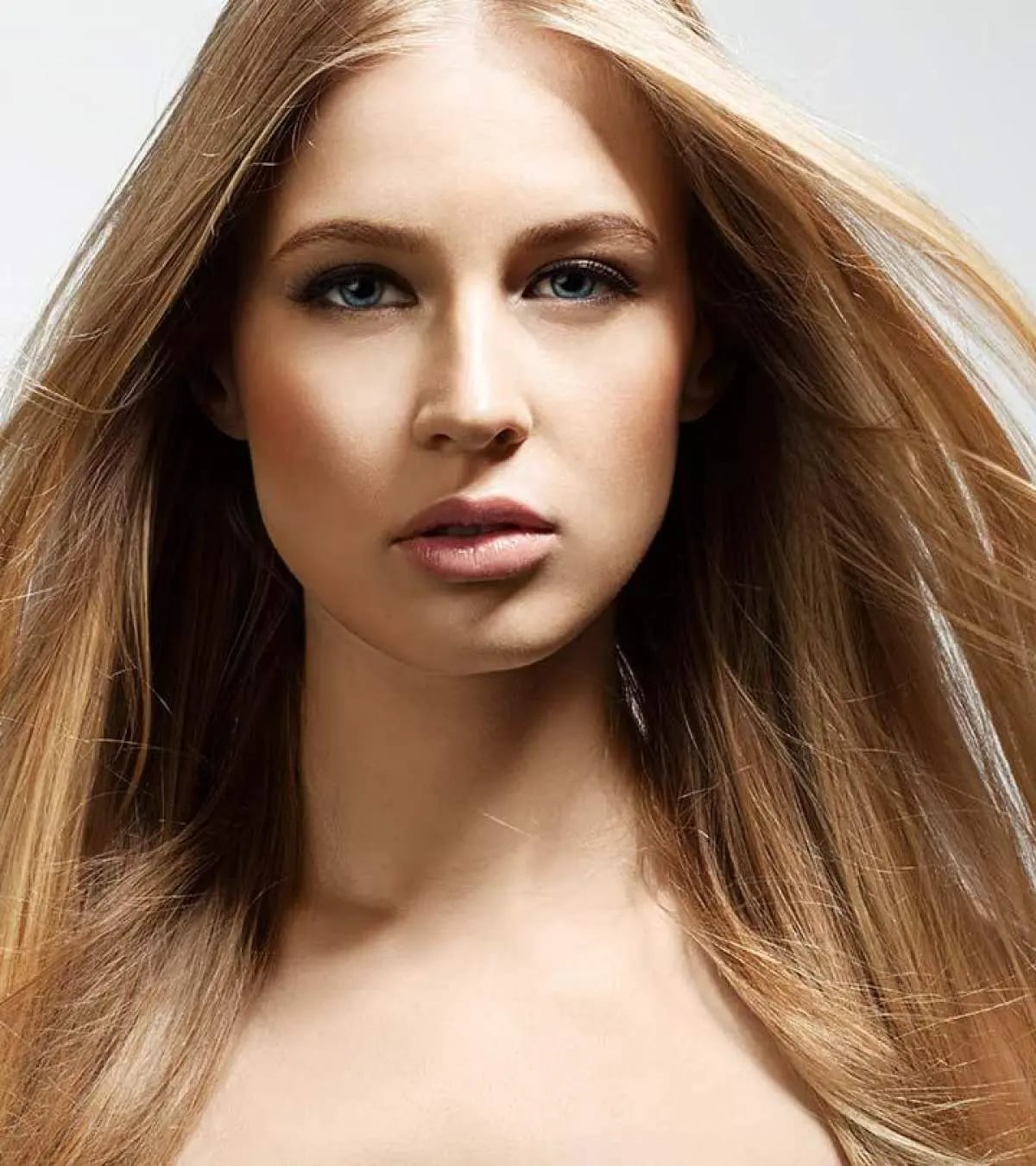
Fine honey blonde hair with subtle blended highlights gains volume from soft layers rather than product. Air-dried loose waves avoid the heat damage that can flatten fine strands. A leave-in conditioner keeps the ends from looking dry. The natural movement from the layers makes up for the lack of a blowout.
Relaxed vibe from air-dried waves and fine highlights
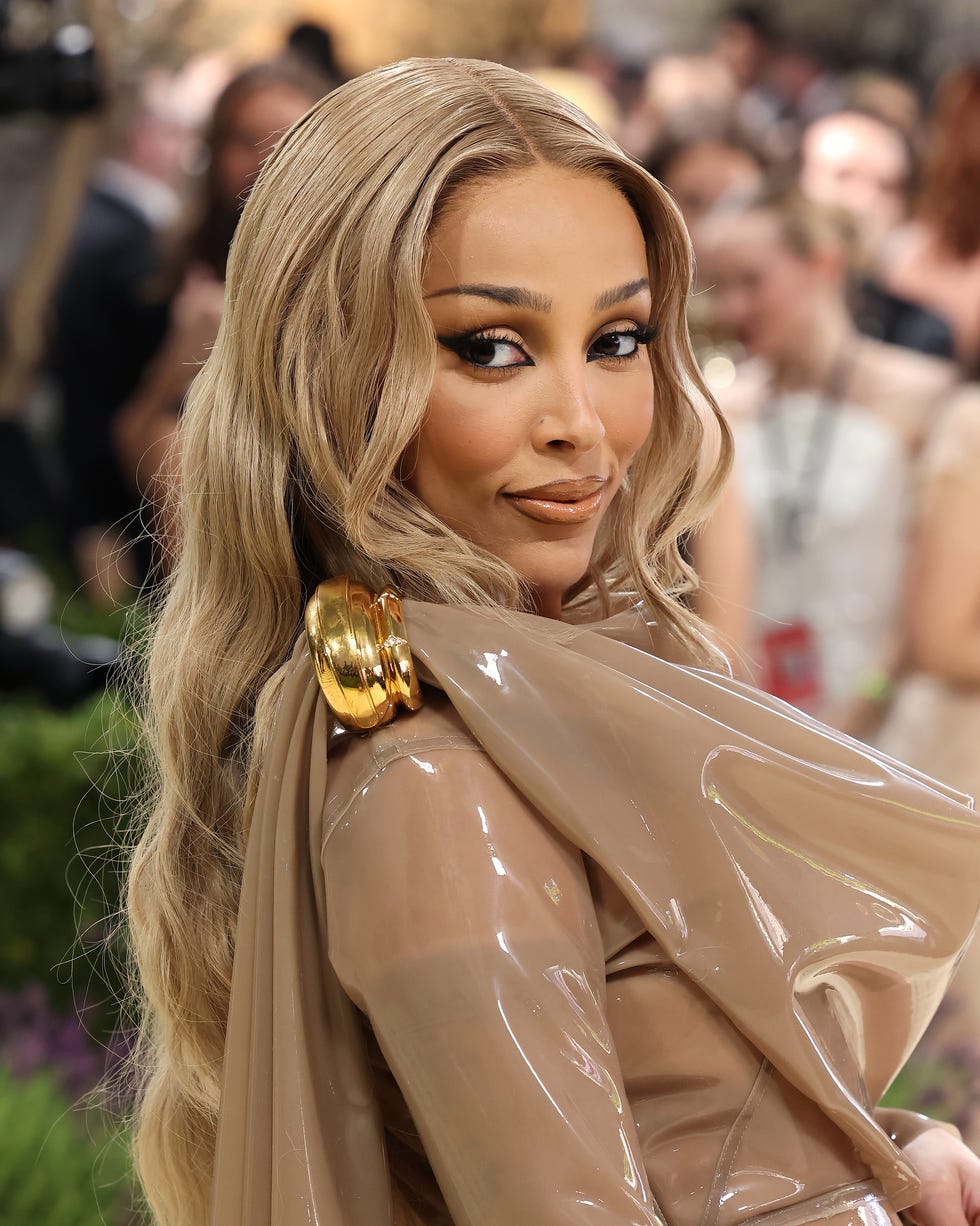
Fine hair needs a lighter hand with product, not a heavier one. This look starts with a middle part and honey blonde color woven with fine highlights, then air-dried into soft waves. The honey blonde tone pulls warmth from the highlights without going brassy. A sleek, neat finish or very straight hair that won’t hold a wave without heat are not ideal for this style. The texture here is wavy and fine, so a texturizing spray adds definition without weighing strands down. Request from your colorist: honey blonde with fine highlights, air-dried waves, middle part. Layers are cut to move with the natural wave, not fight it.
Fine texture adds movement to air-dried honey blonde waves
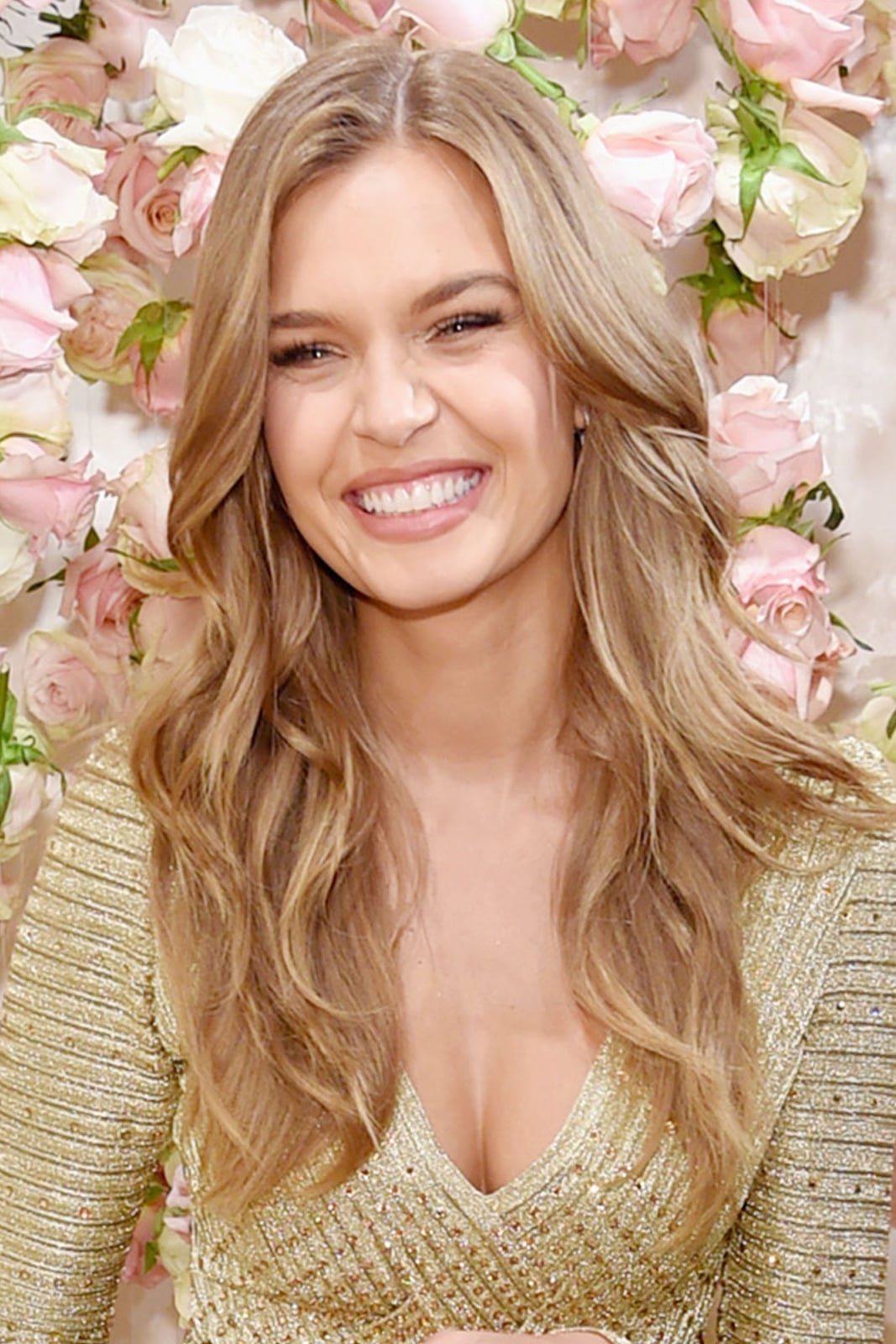
This finish looks soft, loose, and a little unpredictable. The honey blonde color has subtle highlights woven through, so the tone shifts in natural light. The middle part and layered cut let fine, wavy hair move without falling flat. A lightweight product keeps the texture from frizzing as it dries.
Air-dried waves settle differently each time, which is the point. The fine texture needs those subtle highlights to add depth, or the color looks like one flat note. The part is middle, the finish is dry, and the movement comes from the cut, not the iron.
Air-dried waves on honey blonde hair with middle part
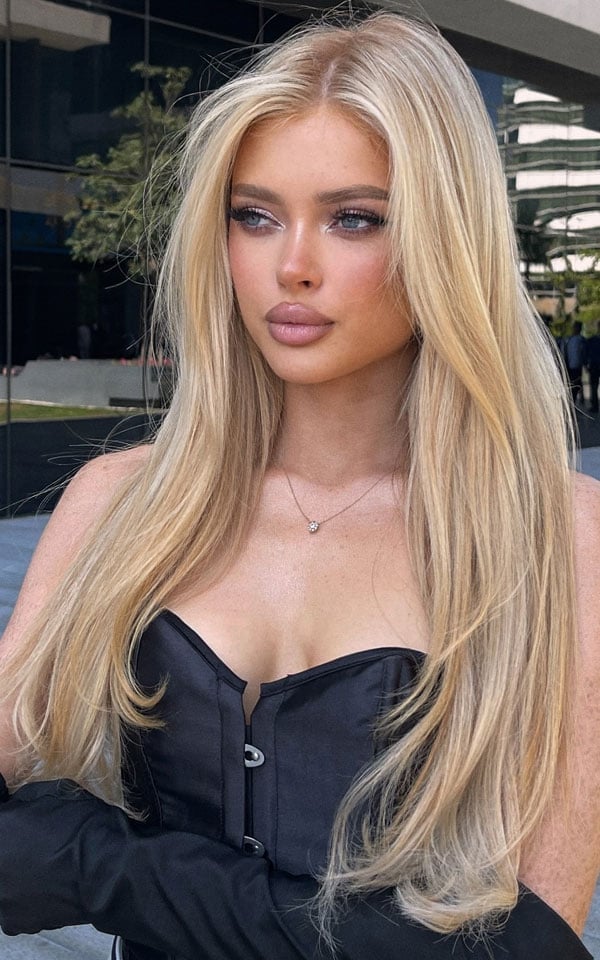
Book it as honey blonde with subtle blended highlights, air-dried waves, middle part. The base is a warm honey blonde tone, and the highlights are fine and blended, not chunky. The middle part and loose waves keep the finish natural, not styled. Fine hair starting at collarbone length or longer holds this shape best. Not for a sleek, neat look or very straight hair that won’t wave without heat. The texture is wavy and fine, so a texturizing spray adds grip without weight. The honey blonde tone with air dried waves looks relaxed, not undone.
Voluminous layers with lighter highlights in honey blonde
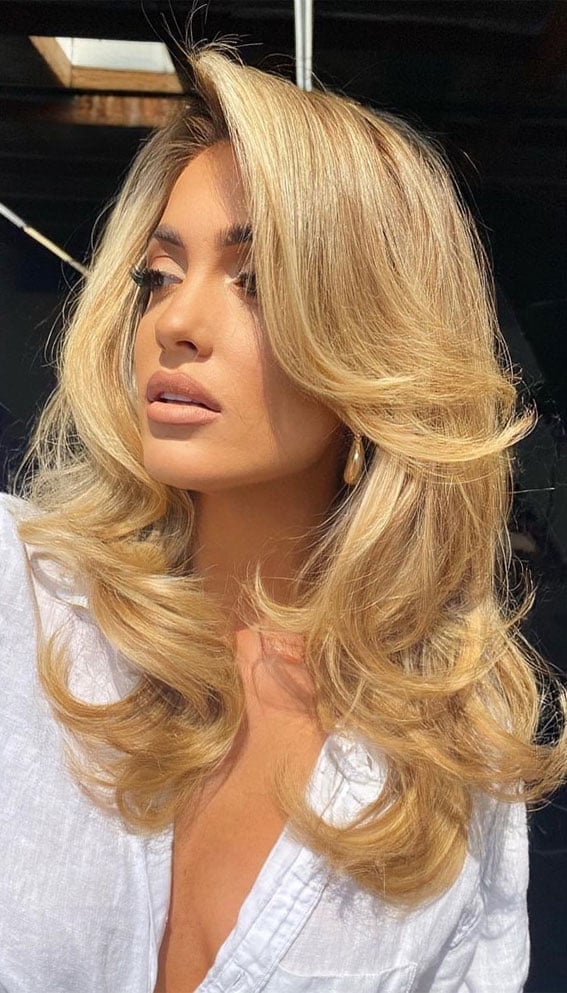
The mistake people make with voluminous layers is cutting them too short. Shorter front sections need length behind them to balance the weight, or the shape collapses into a triangle. This look keeps the warm honey blonde base intact and adds subtle lighter highlights throughout for dimension. The classic blowout lifts the roots and rounds the ends. Thick hair starting at collarbone length or longer can support the volume without poofing. Not for fine hair that won’t hold lift or a blunt cut. A root-lifting spray before blow-drying helps the shape last through the day. Request from your colorist: voluminous shorter front sections, honey blonde with subtle lighter highlights, classic blowout.
Final Thoughts
Pick the honey blonde that matches your chair time and your routine.
- Fine hair: ask for fine, blended highlights so the base does not look flat.
- Ten minutes in the morning: choose air-dried waves with a root shadow for low upkeep.
- Cool base that pulls brassy: tone every four weeks with a purple shampoo.
- Thick, wavy texture: go for curtain bangs and face-framing layers to keep the weight off.
Find the honey blonde that best suits your style and lifestyle.

