You have the silver shade picked, but the cut still feels like a question mark. That is where the consultation gets interesting, because the right shape turns a color into a style that works with your texture and your morning routine. A good cut also buys you weeks of easy grow-out, which is the real luxury.
This collection of 31 ideas runs from sharp bobs to soft shags and from smooth bobs to natural curls, which is why Elegant Silver Hair Ideas 2027 fill so many saved boards. The struggle is finding a cut that does not fight your texture or your schedule. Here, the options are grouped by what you actually do with your hair.
Angled ash blonde bob with dramatic side-swept bangs
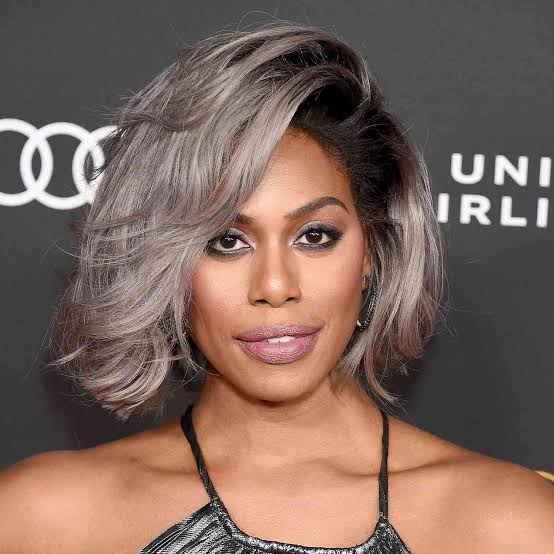
An angled bob cut with darker roots and a voluminous blowout takes the ash blonde base into bolder territory. The dramatic side-swept bangs do the heavy framing work here, sweeping across the forehead and blending into the longer front sections. Fine, wavy texture holds the volume best. Skip it if your hair is very straight and resists a round-brush lift. The words for the chair: angled bob, dramatic side-swept bangs, ash blonde with darker roots. Trim every six to eight weeks keeps the angle sharp.
Shag haircut with choppy layers and blunt bangs
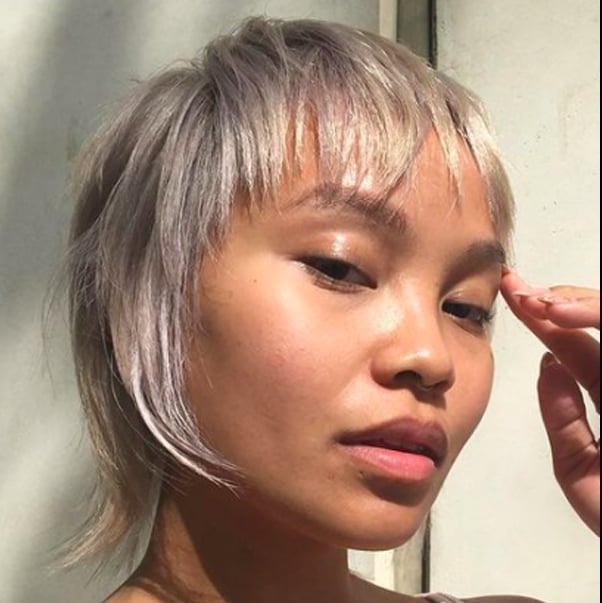
A shag with short, choppy layers and blunt bangs sits opposite a smooth, neat bob. The ash blonde base with lighter highlights adds contrast, while the air-dried finish keeps things relaxed. Fine hair gains texture without looking sparse. Blunt bangs suit oval and rectangular face shapes. Pass when you prefer sleek, one-length styles. Ask your stylist for: shag cut, short choppy layers, blunt bangs, ash blonde with highlights. Trim every eight to ten weeks preserves the shag’s shape.
Silver blonde with full fringe and long flowing layers

Long, flowing layers in silver blonde with subtle lighter highlights create a soft, neat look. The full fringe sits straight across the forehead, adding structure to the loose waves beneath. Fine, wavy texture carries the movement well. A full fringe balances longer face shapes and hides a high hairline. Skip it if you dislike bangs or prefer very structured, blunt cuts.
Long flowing silver hair with gentle waves
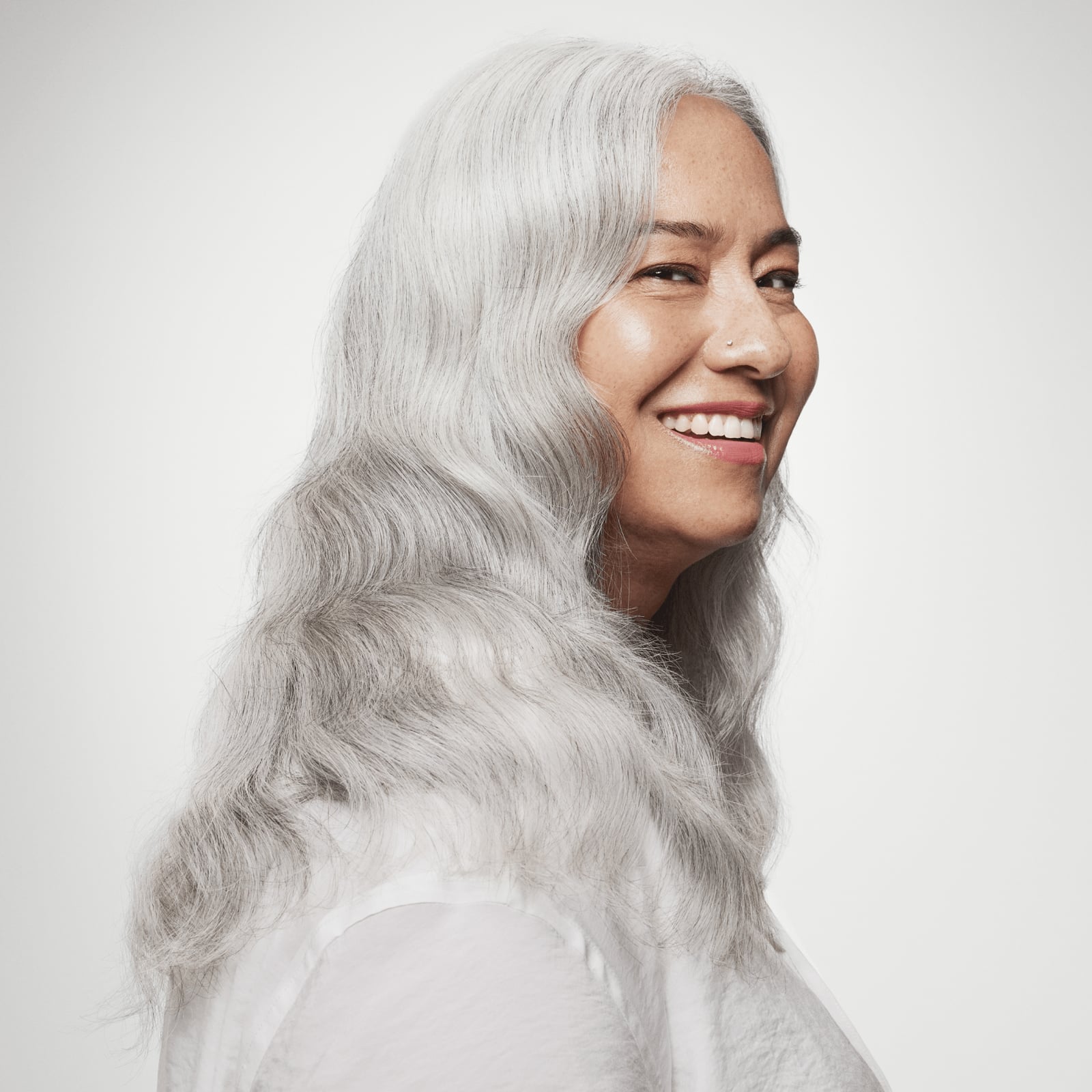
Long, flowing silver hair parted in the middle with subtle layers moves softly without looking fussy. The gentle waves and air-dried finish keep the texture natural and low-key. Fine hair benefits from the length, though the silver tone needs regular toning to stay bright. A middle parting elongates round faces. It suits those who prefer long cuts without bangs. Ask your stylist for: long layers, silver, middle part, gentle waves. Toning every four weeks maintains the cool shade.
Angled bob with face-framing side-swept bangs

An angled bob with subtle layers and side-swept bangs frames the face without a heavy fringe line. The silver base with blonde highlights adds depth, while loose waves soften the angle. Fine, wavy texture responds well to the graduated shape. Side-swept bangs soften square and heart faces. This cut requires daily styling of the bangs.
Pixie cut with swept-back top and textured sides

Short sides and a swept-back top make this pixie a clean trade. You get a side part and fine silver strands with white highlights that look deliberate, not accidental. Fine hair textures hold the volume here better than dense ones do. Ask your stylist for: pixie cut, textured sides, swept-back top, silver with white highlights.
Long layers with face-framing ash blonde highlights
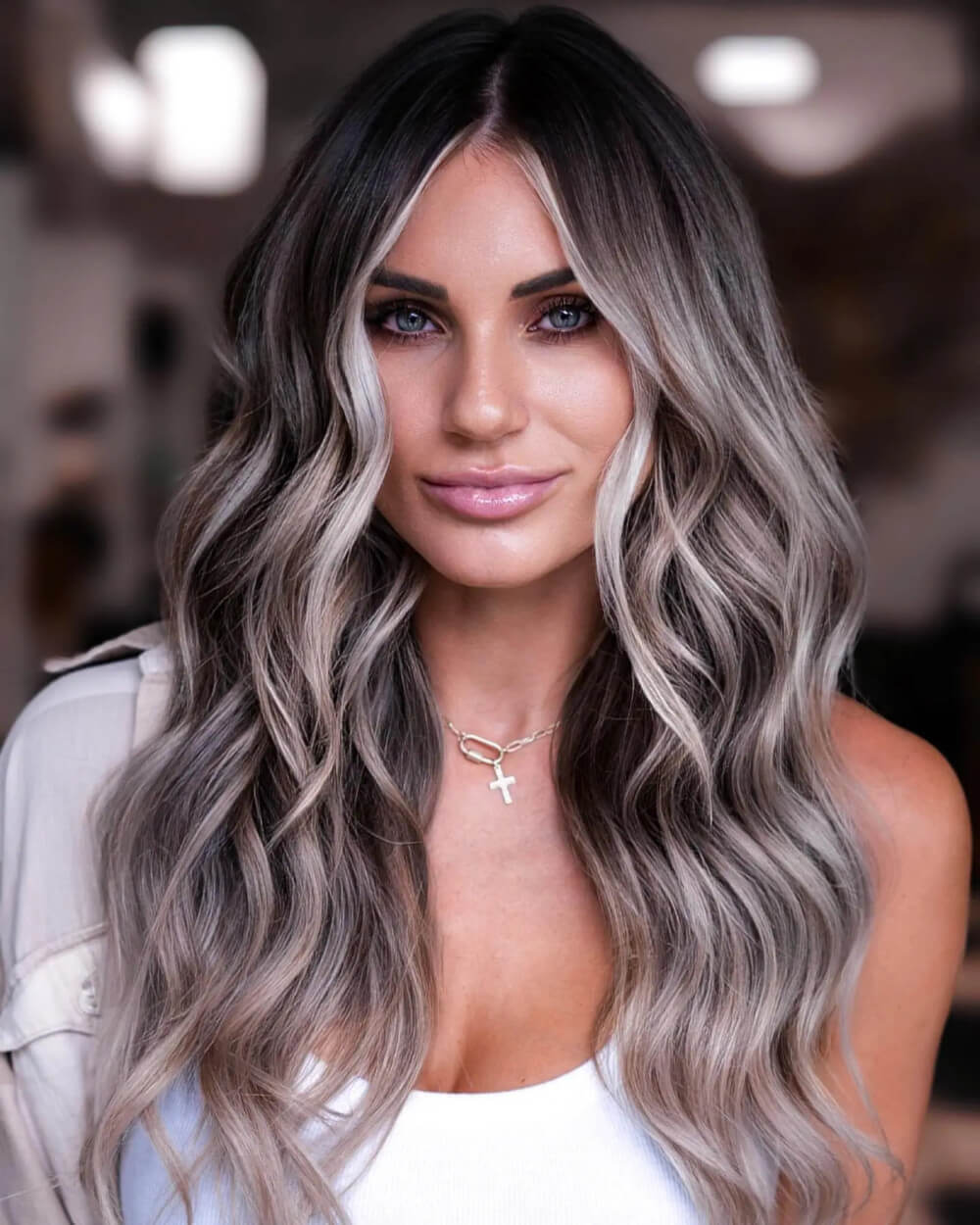
A middle part drops long layers past the shoulders, each wave carrying a dark root shadow that graduates into ash blonde. The face-framing highlights sit where light naturally hits. Spring and summer are the seasons for this contrast. The darker base stays cool while the lighter pieces catch the sun. Fine wavy texture gives the layers lift without extra product. Root touch-ups land around every six weeks.
Silver hair with white highlights and a wavy blowout
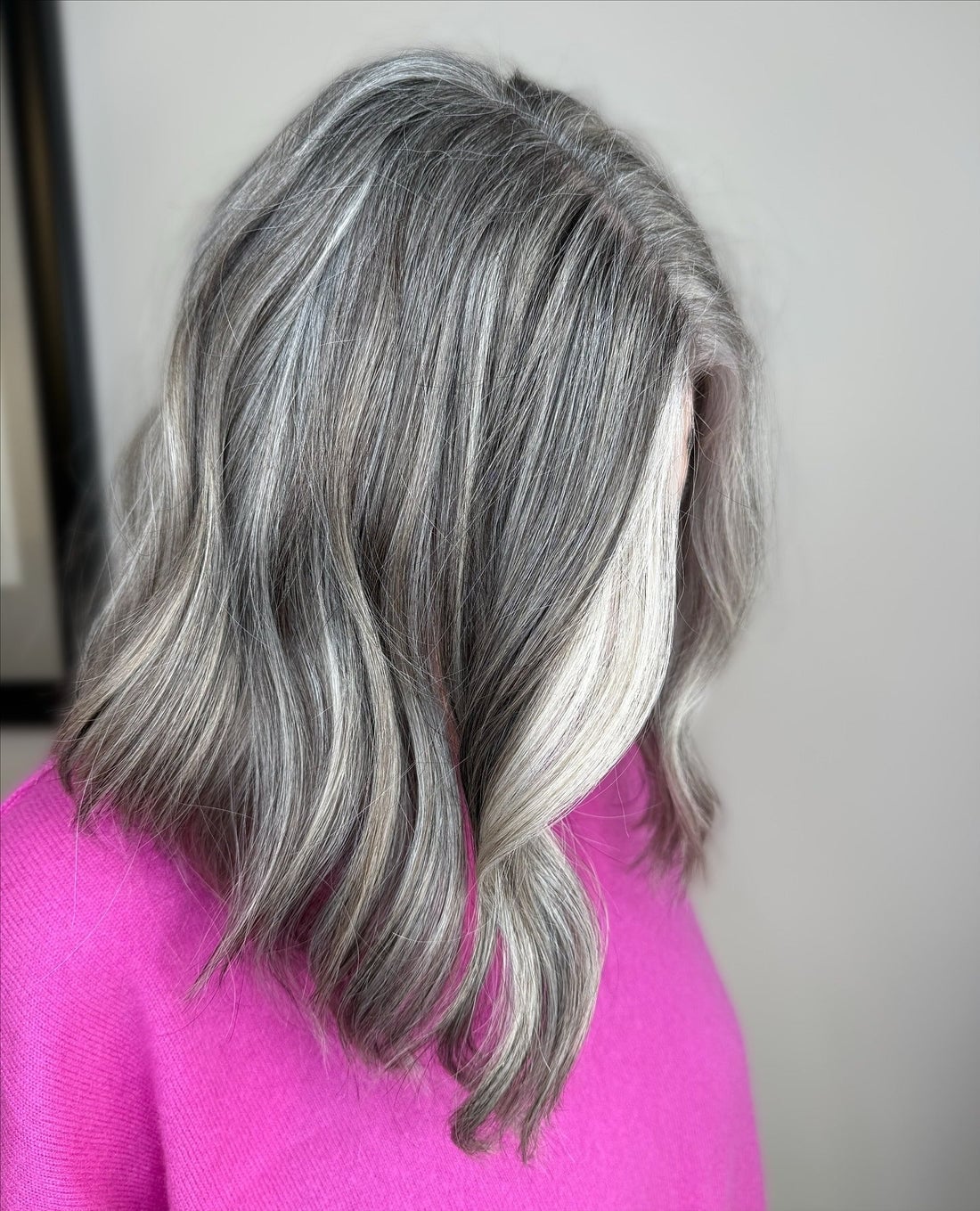
How close can a home blowout get to this salon result? Start with a middle part and layers cut to hold a wave. Silver hair with white highlights needs the contrast to sit visibly, not muddy. A round brush and low heat create the bend; fine wavy texture helps it hold overnight. The salon version uses a gloss that a purple shampoo alone cannot replicate. Ask your stylist for: layered cut, silver with white highlights, wavy blowout. Toning every four weeks keeps the white from looking brassy.
Black hair with silver money piece framing face
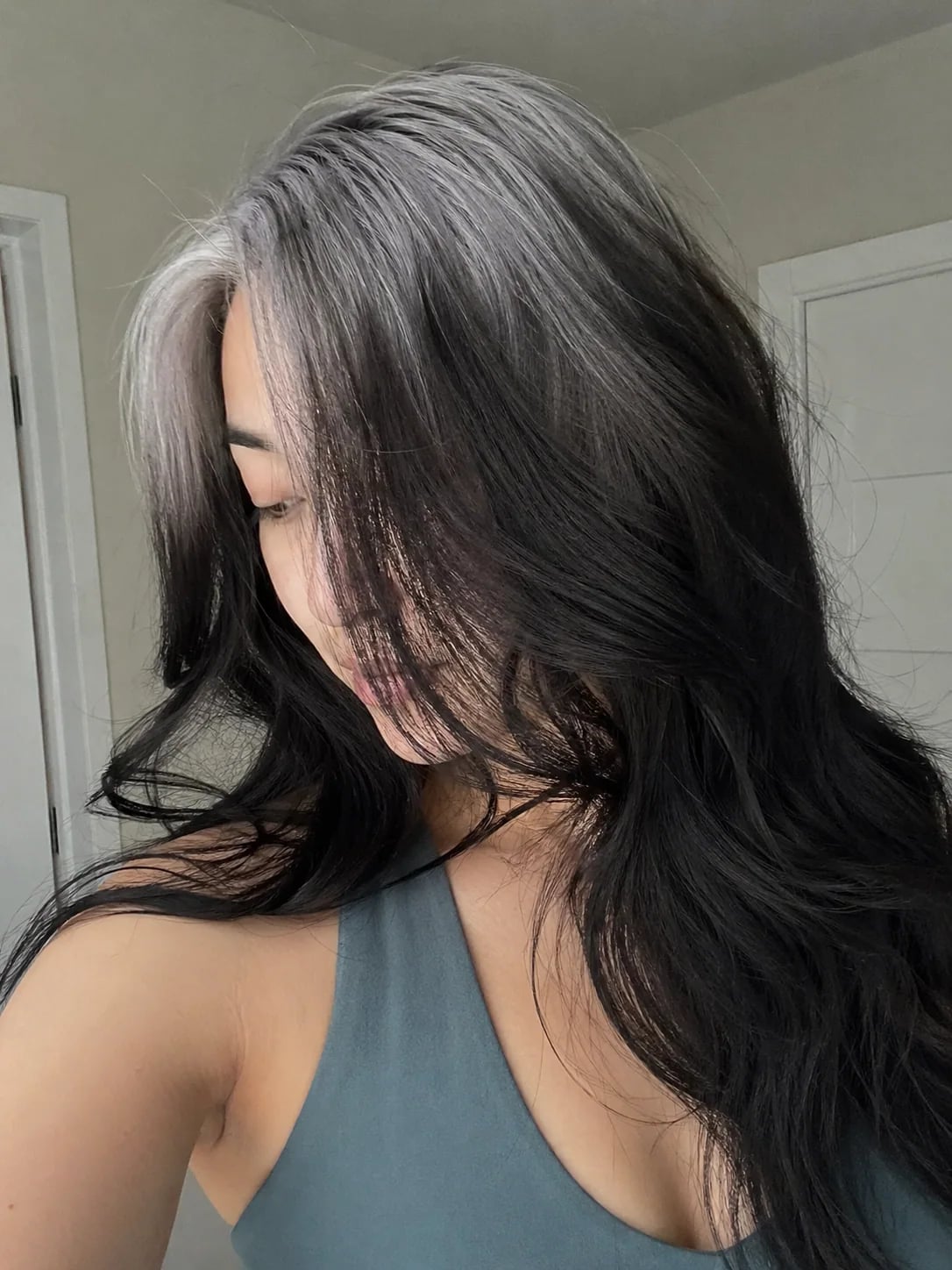
A money piece on black hair sounds simple until the silver washes out against the dark. The trick: keep the silver strands dense and the side part clean. Long layers and side-swept bangs frame the face without hiding the contrast. Fine wavy texture lets the air-dried finish look intentional, not messy. The mistake is asking for a few lighter pieces instead of a solid money piece. Salon visits every eight weeks keep the silver from fading into gray.
Silver with darker roots and voluminous waves

Darker roots on long silver hair mean fewer trips to the salon. The side-swept bang breaks up the length, and loose waves add volume where fine texture otherwise falls flat. The upkeep: a monthly gloss at the salon to keep the silver cool against the darker base. Ask your stylist for: long layers, silver with darker roots, side-swept bang. Side-swept bangs soften round and heart faces without hiding the root contrast.
Blunt bob cut in a striking silver shade
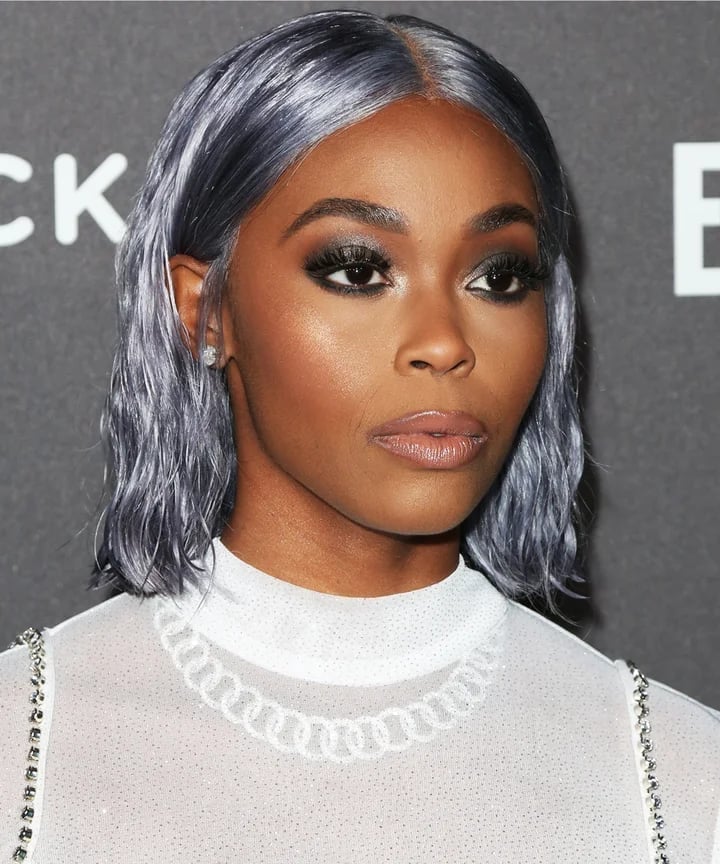
Middle part, fine texture, wavy finish. This blunt bob relies on geometry, not fuss. A single silver shade across the whole cut means the line at the jaw does the talking.
Long layers with silver and dark root contrast
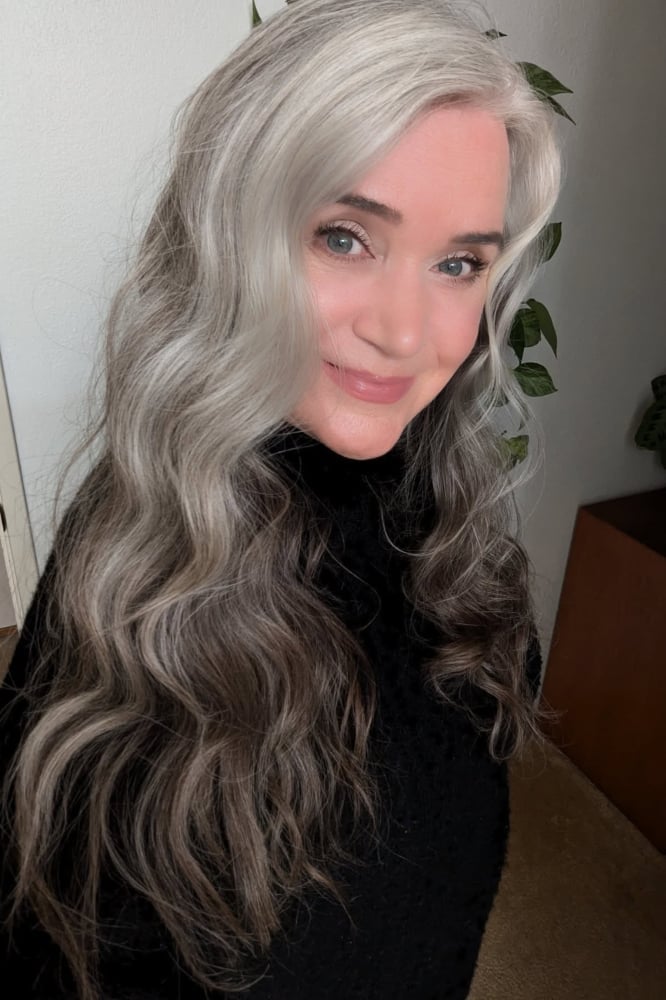
Set this against an all-over silver and the dark root saves you from the weekly root line panic. Long layers cut into fine, wavy texture let the silver strands catch movement without losing length. A side part helps the contrast look deliberate. Tell your colorist: long layers, silver with dark roots, loose waves. Root touch-ups land every four to six weeks, though the grow-out here is designed to pass as intentional longer than most.
Layered bob with dark roots and voluminous waves
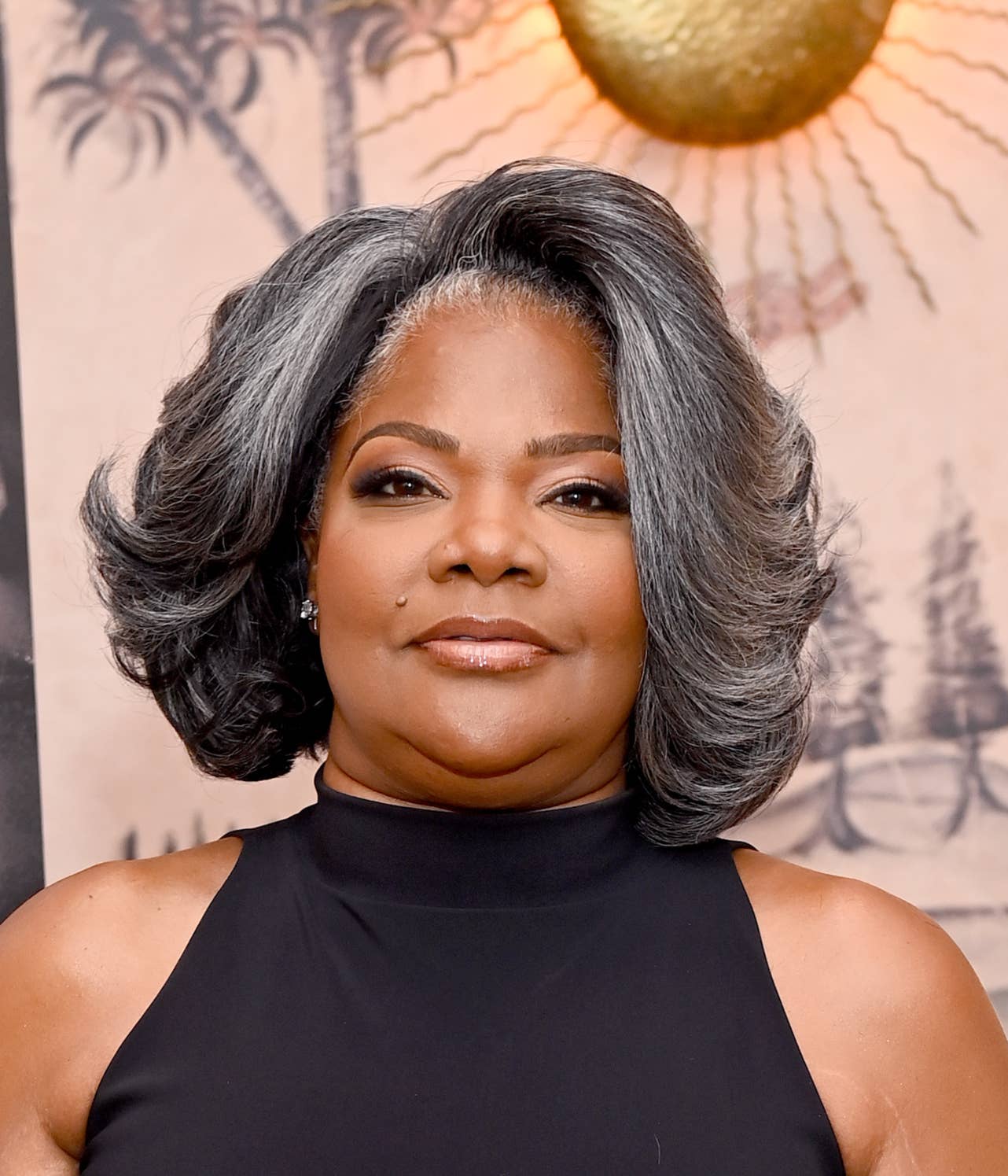
A layered bob with a side part, thick wavy texture, and a full blowout. The dark roots anchor the silver so the volume looks deliberate. It works best on thick hair. Achieving the wave pattern on fine hair requires a round brush and patience.
Wavy silver hair with lighter, almost white ends
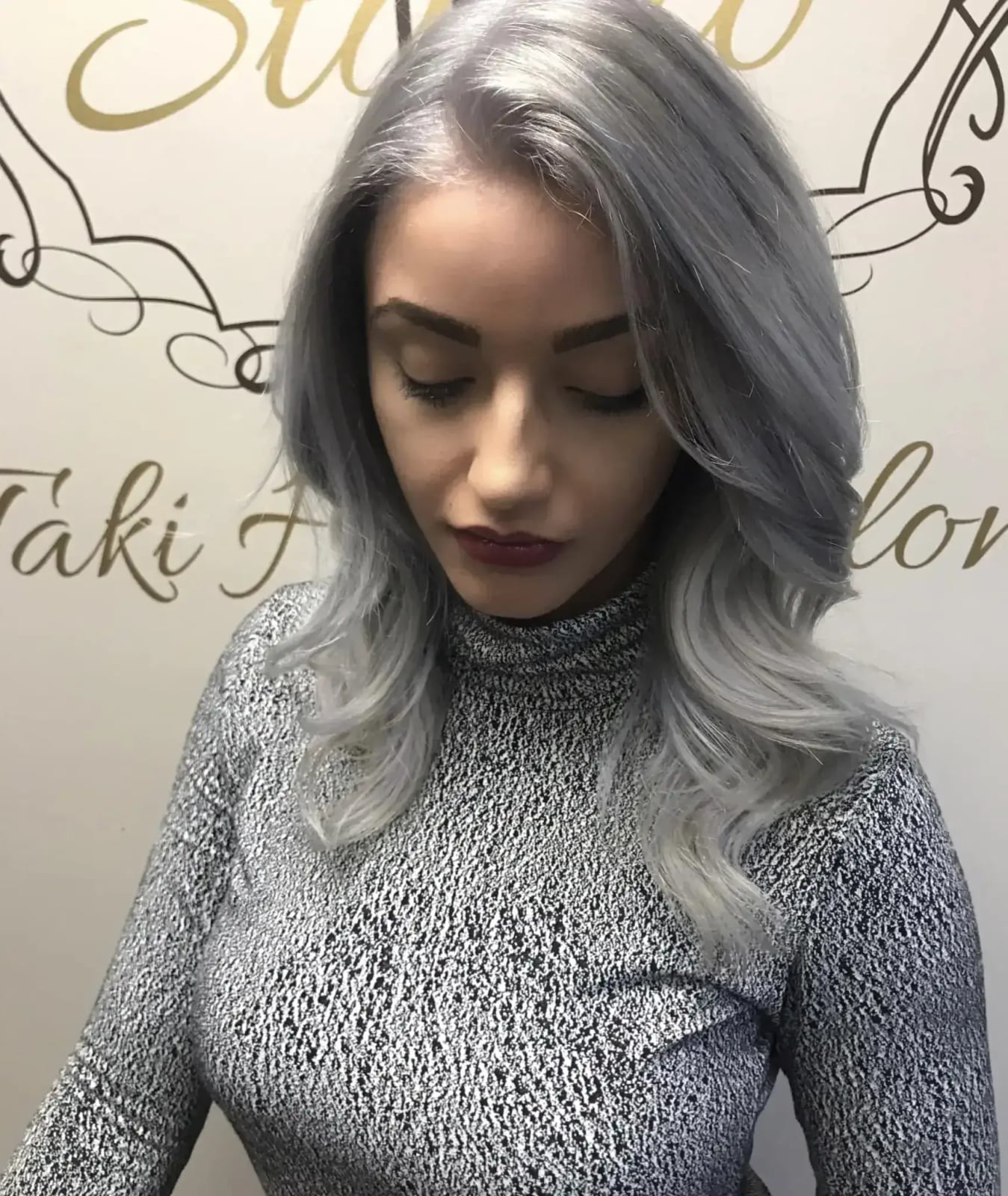
Fine, wavy hair with layers cut to move. The middle part and lack of bangs let the silver shade graduate toward white at the ends without a hard line. Achieving this transition requires professional skill; a home bleach job lands uneven. Ask your colorist for: layered cut, silver with lighter ends, middle part. Monthly toning keeps the lighter ends from pulling yellow.
Bob with blunt bangs frames the face naturally
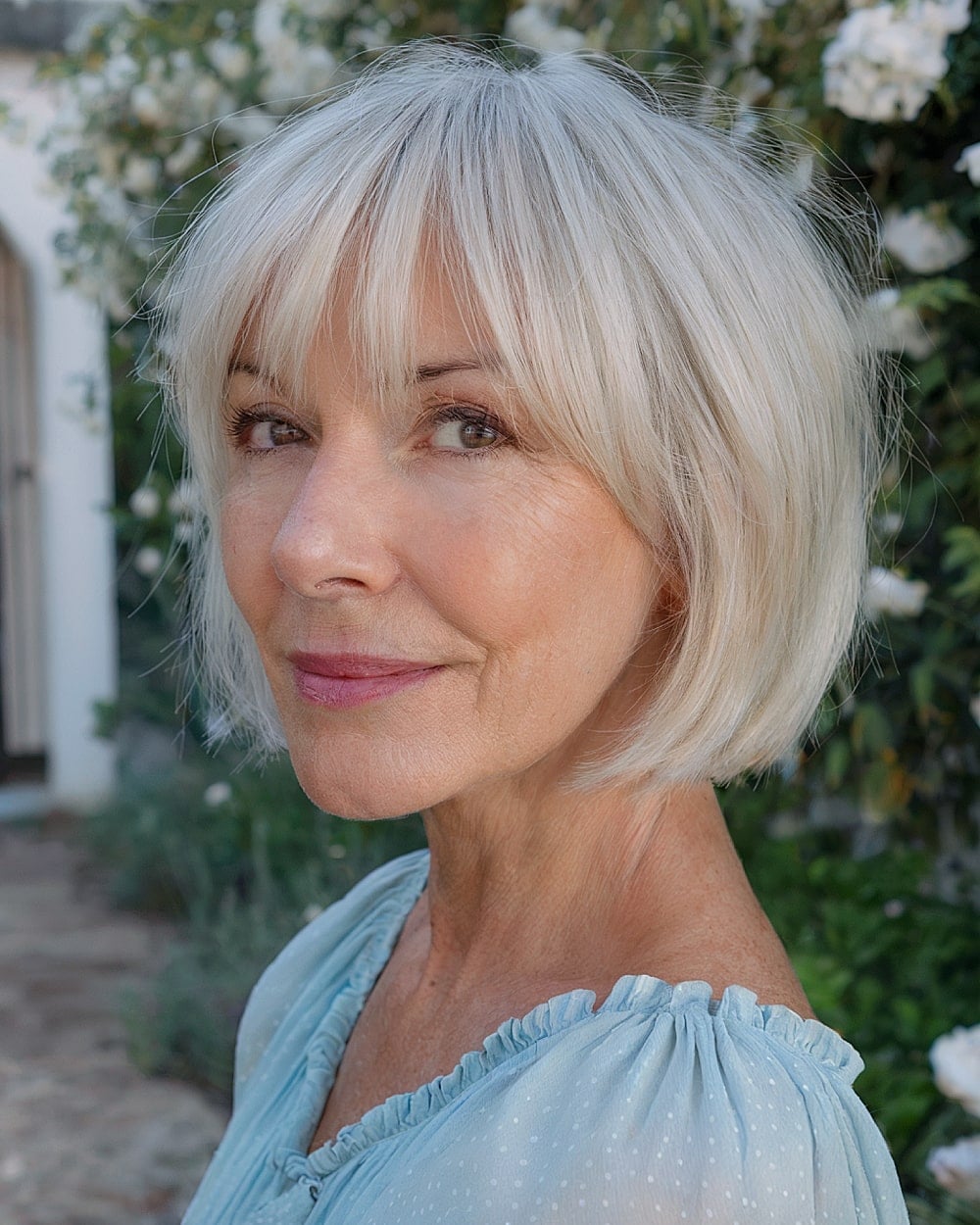
No round brush, no wave. The cut does the work. This is a salon-only shape: the bangs require a dry cut and the bob needs a precise baseline.
Elegant silver pixie with volume at the crown

Volume at the crown lifts a silver pixie from practical to neat. Wavy, fine texture holds the shape without fighting it. A side part directs the eye upward. Skip it if you prefer hair you can pull back or a style that needs zero morning attention. Ask your stylist for: pixie cut, volume at the crown, silver, wavy texture.
Sharp silver pixie with textured side-swept bangs
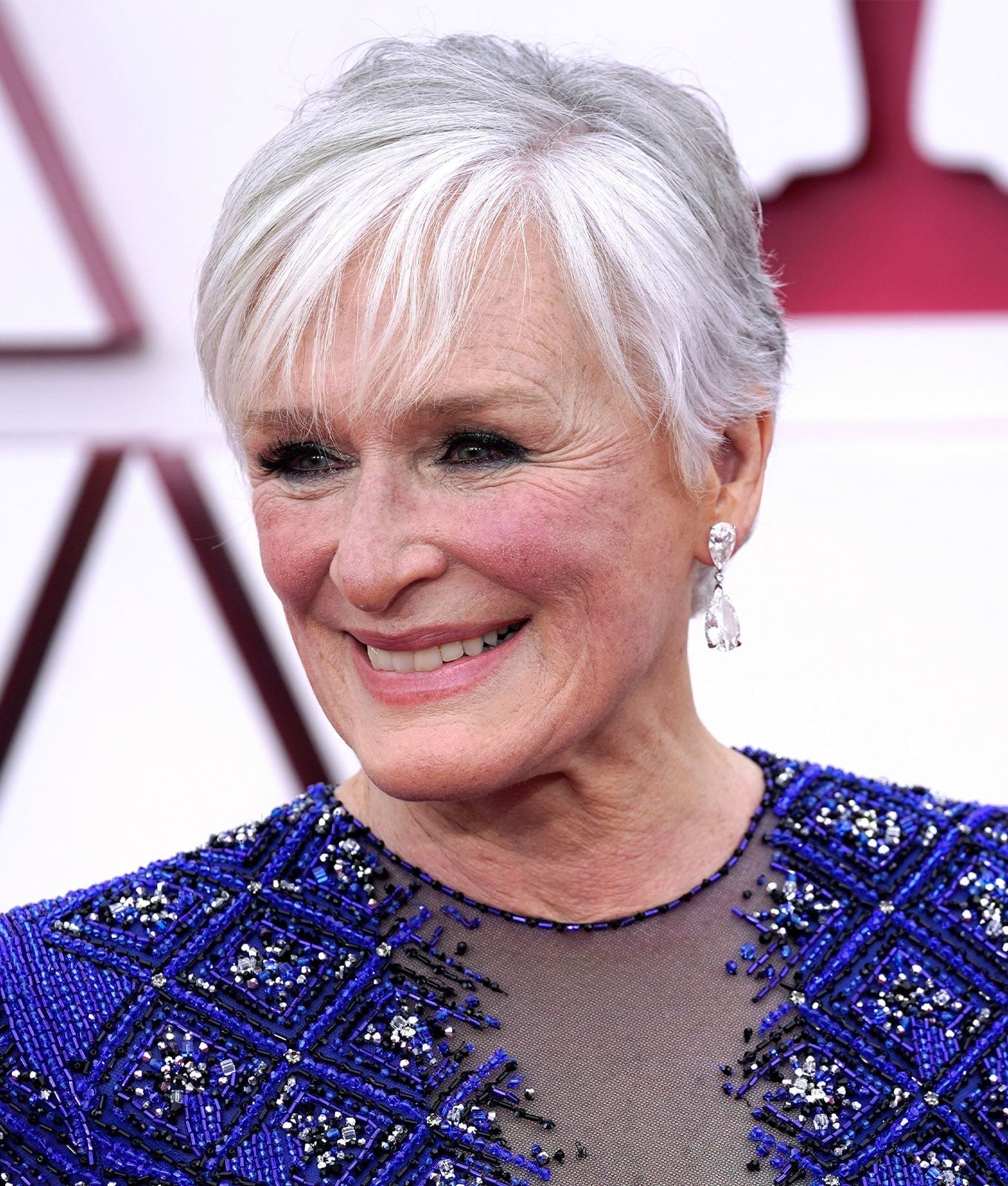
Side-swept bangs turn a standard pixie into a summer-ready look. The fine texture lets the fringe fall softly without bulk. A side part and textured finish add visual interest without heat. The bangs need a quick dry with a small round brush.
Black hair with blonde face-framing highlights and curtain bangs
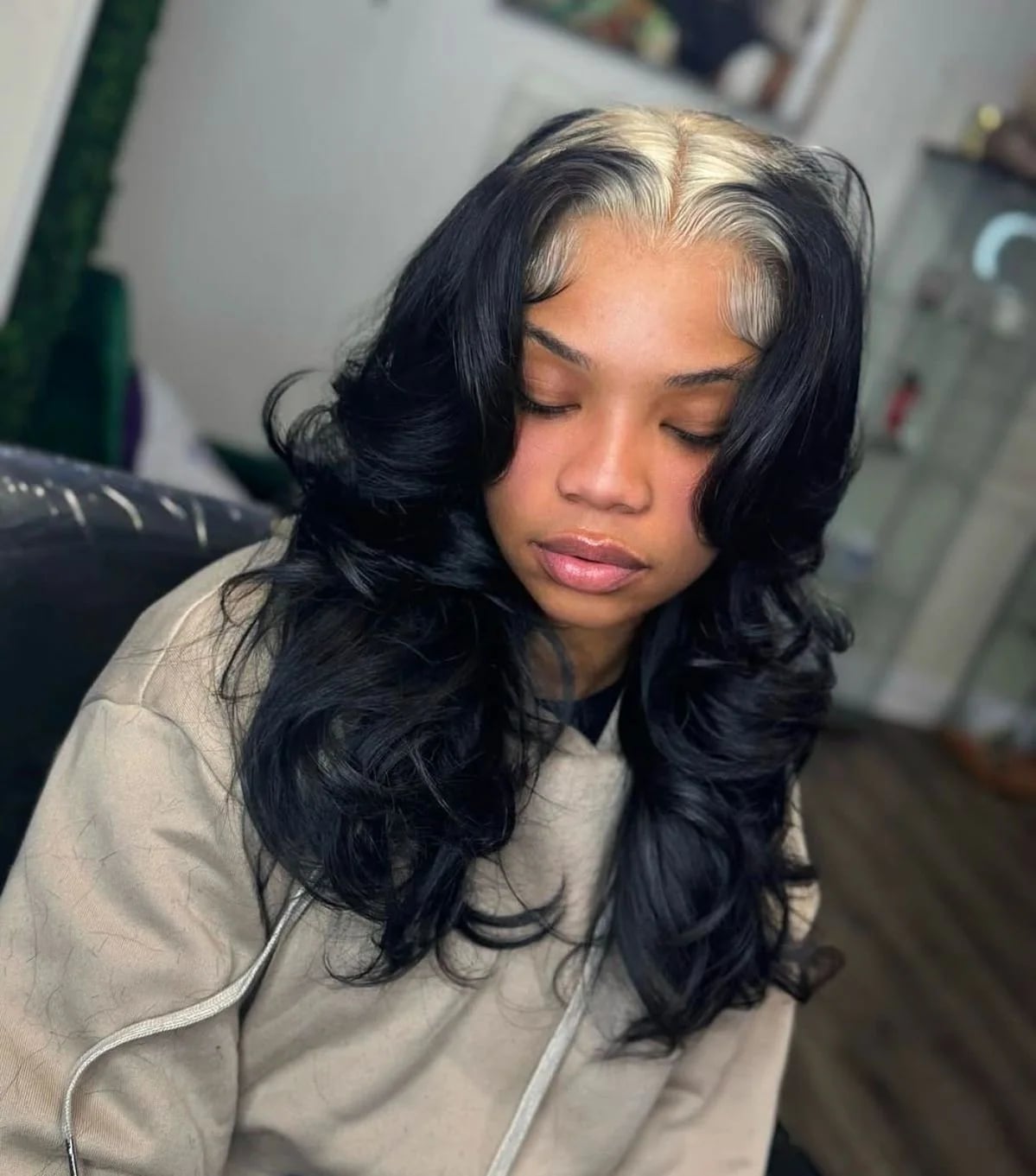
Blonde face-framing highlights against black hair create a high-contrast effect. Thick, wavy texture supports the layers and the curtain bangs. A middle part and a classic blowout pull it together. Can you recreate a blowout at home? With a round brush and some practice. Ask your stylist for: layered cut, black with blonde face-framing highlights, curtain bangs.
Layered silver with darker roots and soft waves
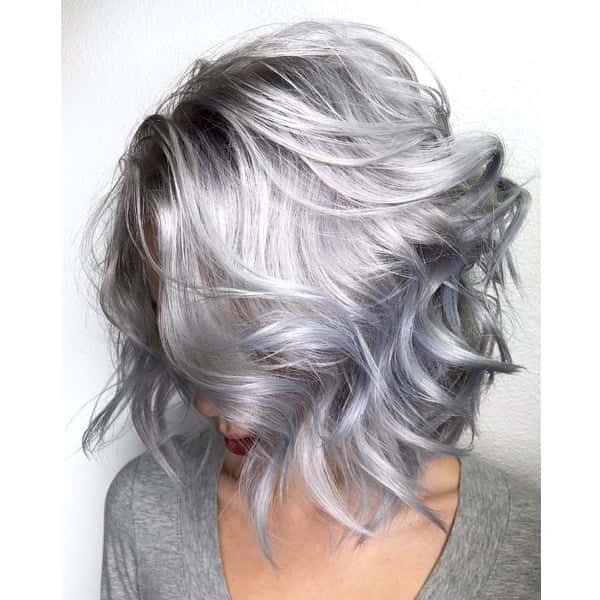
A silver gradient from darker roots to bright ends avoids the flat, one-note look. Fine, wavy texture softens the transition. Layers add movement without sacrificing length. The mistake people make: letting the silver go brassy between salon visits. A purple shampoo every third wash keeps the tone cool.
Layered silver bob with side-swept bangs
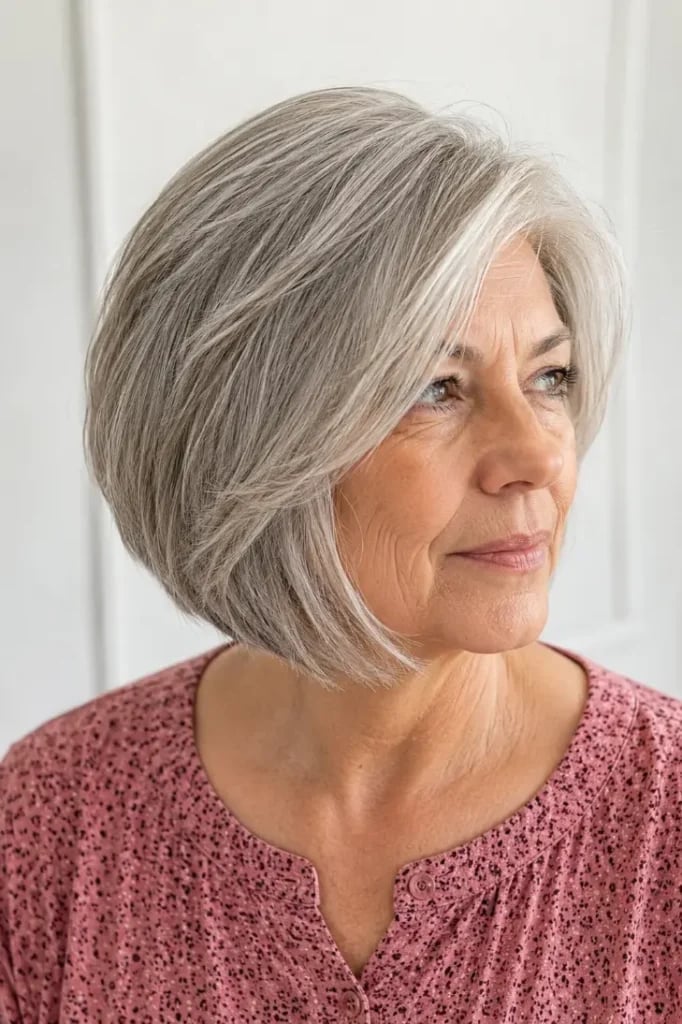
Lighter highlights within a silver bob keep the color from looking solid. Fine, straight texture shows off the dimension. The side-swept bangs frame the face while letting the layered bob hold its shape. A smooth blowout takes about fifteen minutes. Ask your stylist for: layered bob, silver with lighter highlights, side-swept bangs.
Short silver blonde bob with sharp side part

A sharp side part does more work than a full fringe in this short bob. The silver blonde shade is cool and clean, not brassy. Fine, straight texture holds the smooth blowout shape without a fight. No bangs means the part carries the whole front. Book it as: short bob, silver blonde, sharp side part. A softer finish or bangs to balance a long face are alternatives to this style.
Layered silver hair with voluminous natural curls
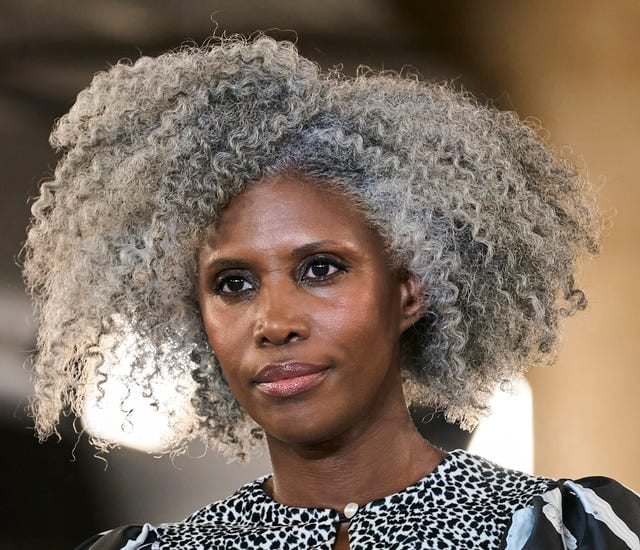
Layers cut into thick, curly hair let each coil sit separately instead of one solid triangle. Air-drying is the default, not a shortcut. No bangs here means the volume starts at the crown and carries down. Ask your stylist for: layered cut, silver, naturally curly. A toning gloss every four weeks keeps silver from pulling yellow on natural curl patterns. Works for round faces because the length falls below the chin.
Choppy layers create movement and texture silver
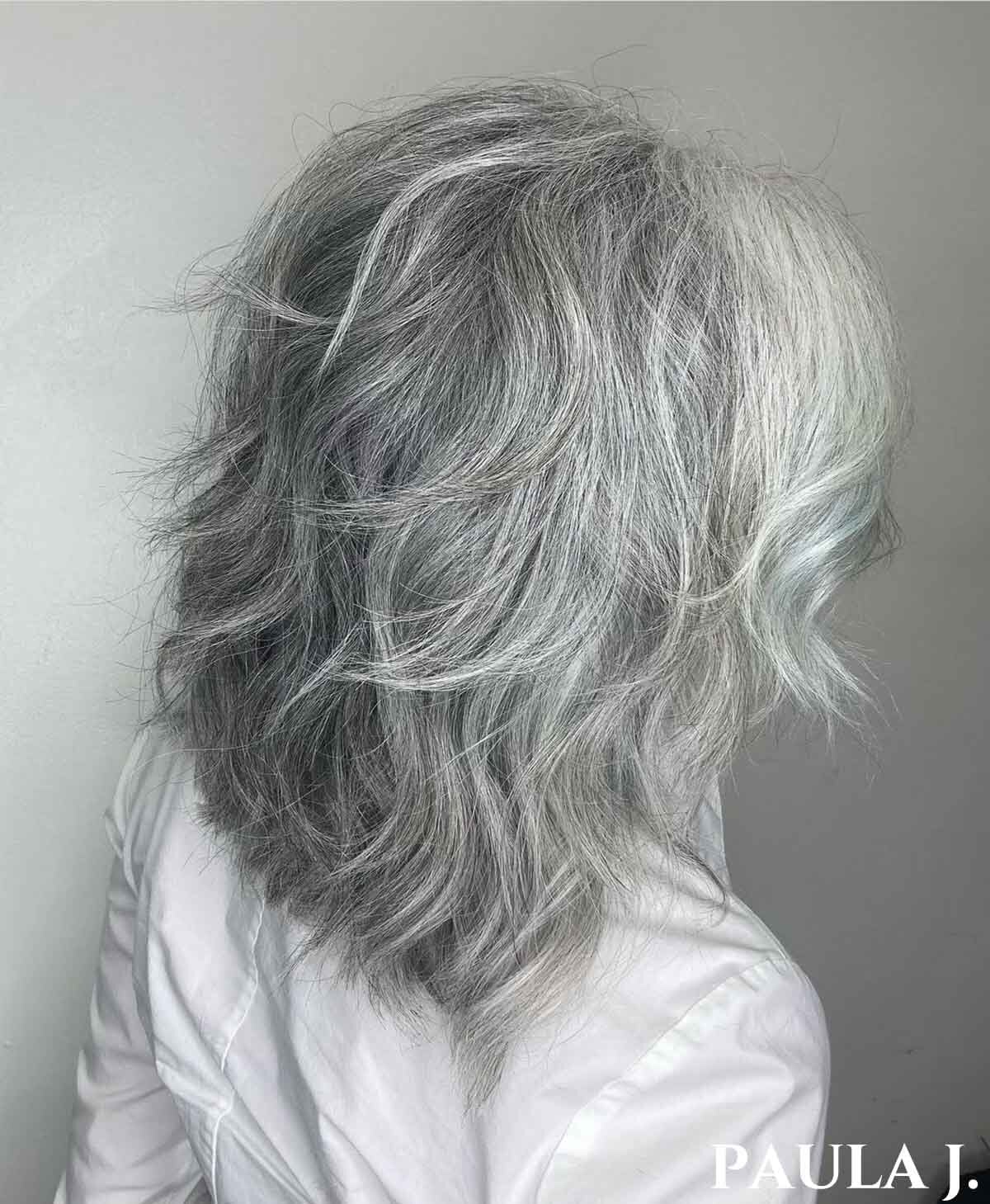
Choppy layers add texture where fine, wavy hair usually falls flat. The shag shape relies on a darker root to ground the silver ends; without that contrast, the layers blur into one tone. Air-dried styling suits the cut’s casual angle. No bangs means the shortest layer sits at the cheekbone. Pass when your hair is very thick. The layering can look bulky rather than piecey. Oval and heart-shaped faces carry the openness best.
Icy silver blonde blunt bob, air-dried, close-up take

A blunt bob cut to a sharp line across the jaw, then left alone. The icy silver blonde shade and middle parting do the work; no bangs, no layers, no heat. Fine, straight texture is the prerequisite here, anything with wave disrupts the clean edge. The silver shade needs a monthly toning gloss to stay cool, not yellow. It works best with a single length and no fringe.
Sleek silver bob with sharp blunt cut
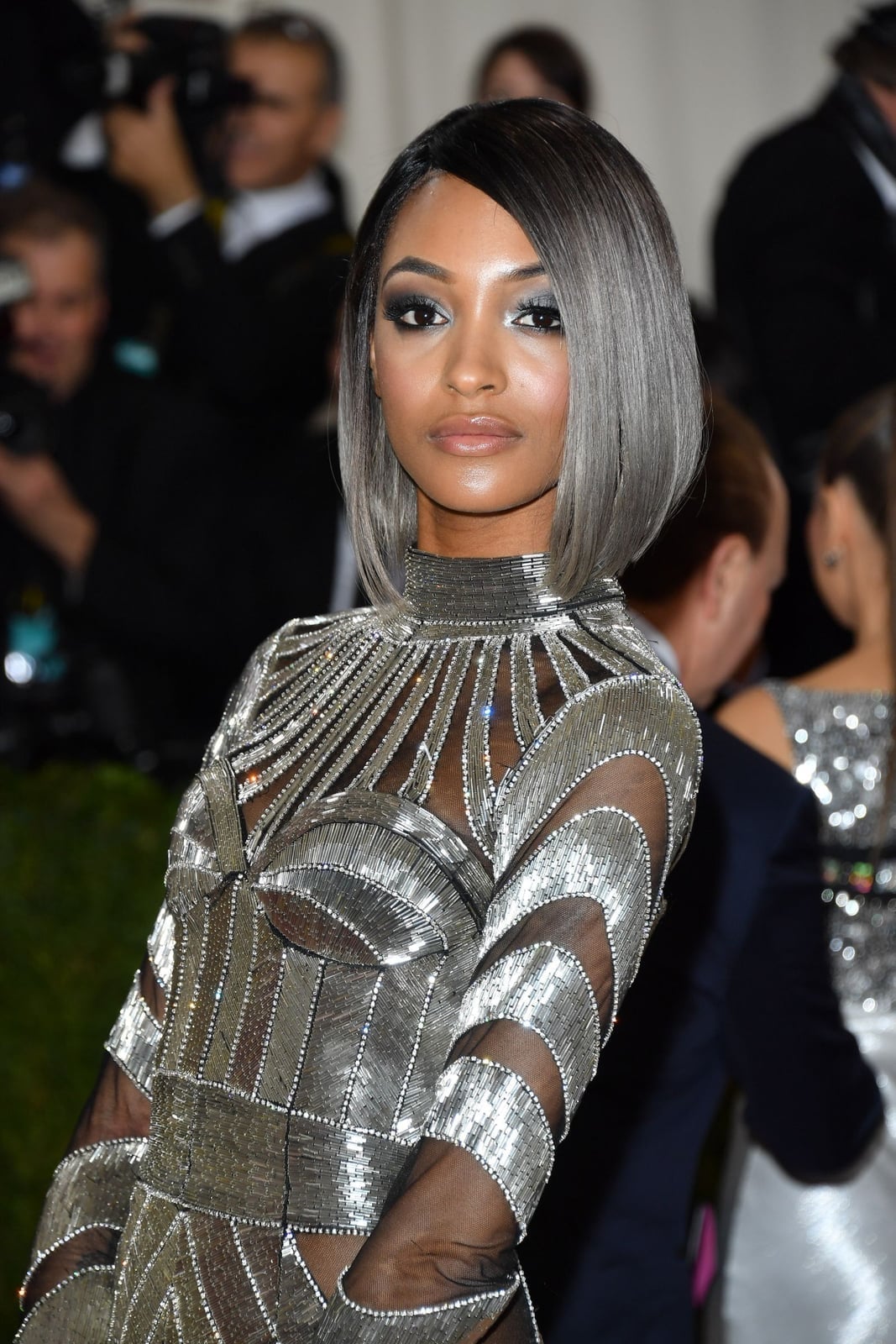
A blunt cut on fine, straight hair creates a dense-looking hemline that reflects light evenly. The silver base with a subtle root shadow extends the time between salon visits. The dark regrowth looks deliberate rather than overdue. A side part adds asymmetry to an otherwise symmetrical shape. No bangs. Ask your stylist for: bob, sharp blunt cut, silver with subtle root shadow. A DIY blowout works fine here because the cut does not rely on volume. It suits those who like a sleek, uniform finish.
Long layers with side-swept bangs and silver highlights
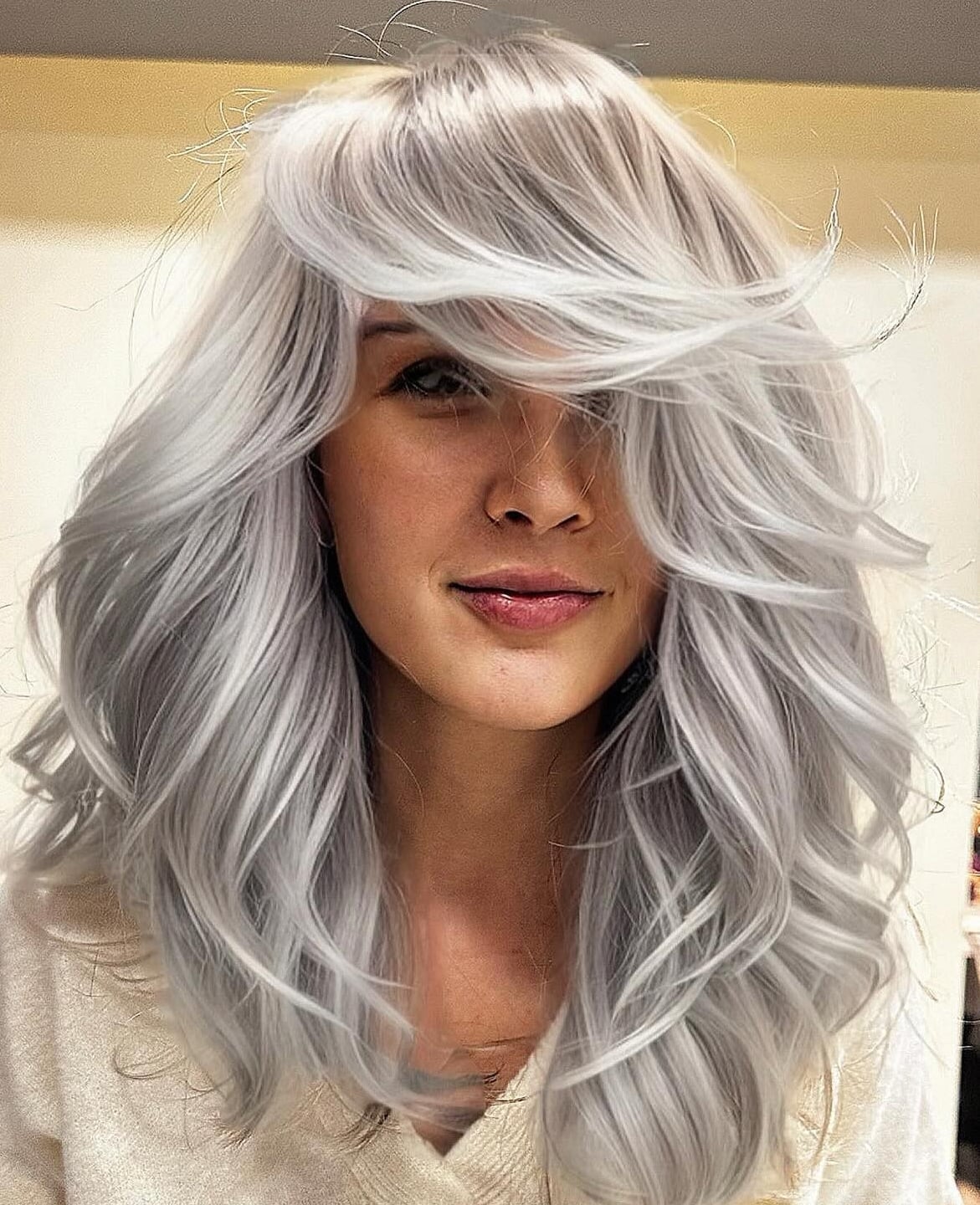
The catch: that silver base needs monthly toning to keep the white highlights distinct. Between trims, the layers hold their shape for about ten weeks. A middle part and those bangs soften a round or heart face, which is the quiet work this cut does.
Layers with blue and gray highlights in silver hair
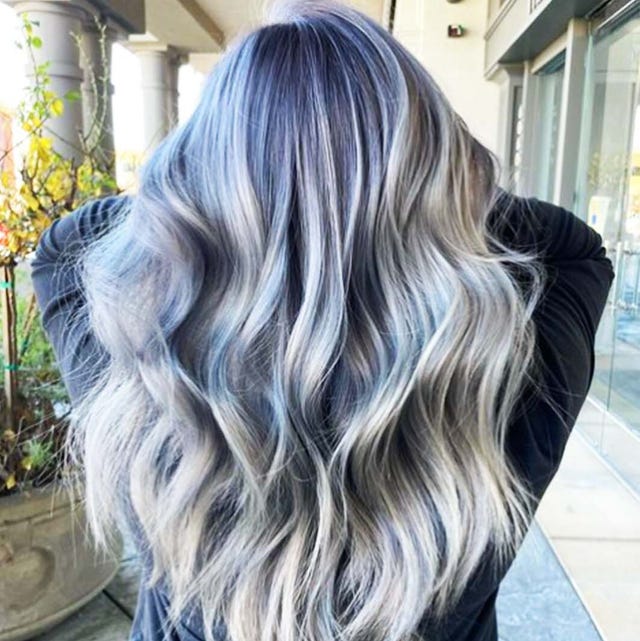
A practical rule: when you add blue and gray highlights to silver hair, the result works best in cooler months. The silver base stays the main event while the blue and gray threads catch a different light. Fine, wavy texture carries the loose waves without the layers collapsing.
It suits most face shapes because the layers wrap around the back without framing the front. Ask your colorist for: layered cut, silver with blue and gray highlights. The color refresh lands every six to eight weeks. The blue fades faster than the gray, which is the nature of cool tones.
Angled silver bob with blonde highlights
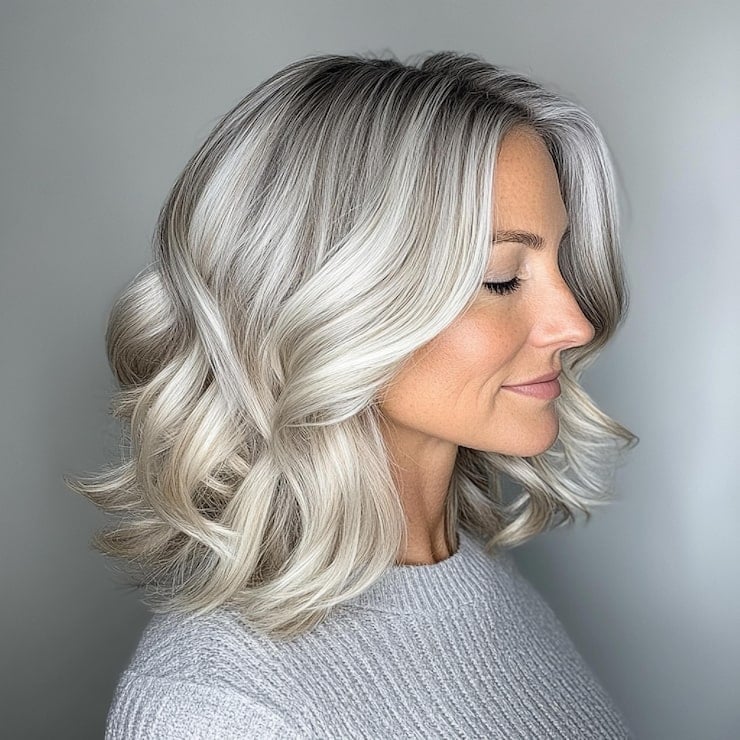
An angled bob with blonde highlights looks silver-plus rather than a full silver commitment. The difference matters. Fine, wavy hair gets volume from the short back angle and the voluminous waves. A middle part helps a round face look longer, which is the standard logic for this shape.
The salon does the heavy lifting here. At home, a round brush and a medium heat setting re-create the wave pattern. The bob loses its line at week six, so book the trim before that.
Blunt silver bob with darker roots
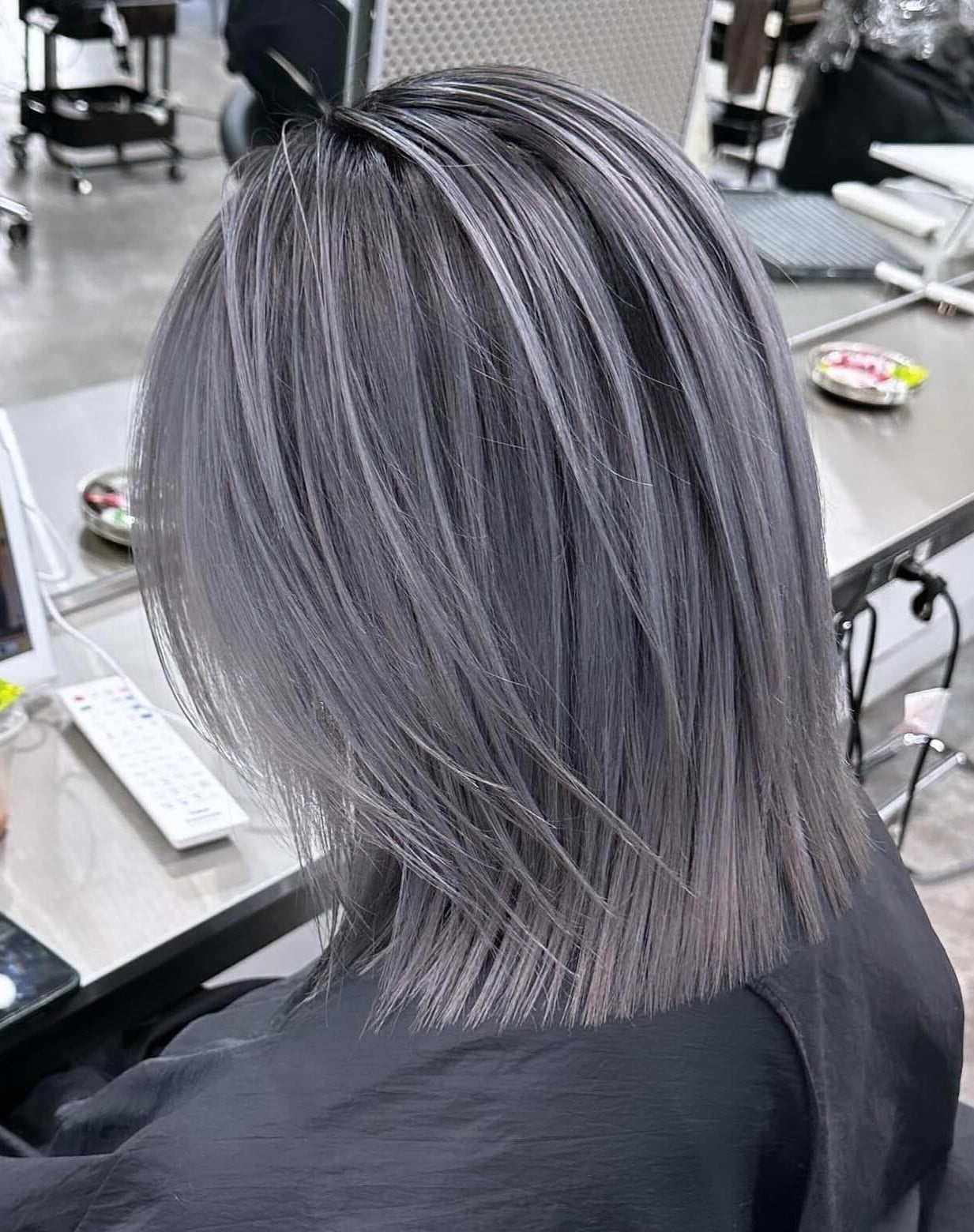
Blunt bobs look best when the line is perfect, and straight, fine hair holds that line longer than wavy texture does. The silver with darker roots adds dimension without a single layer. A middle part and the clean baseline suit oval or heart shapes. The mistake: waiting too long between root touch-ups. Ask your stylist for: blunt bob, silver with dark roots, middle part. Four to six weeks is the window for the roots, and the blunt cut needs a trim at the same interval to keep the edge sharp. One short sentence: air drying works here.
Asymmetrical silver bob with side-swept bangs, fine wavy

The asymmetrical design means one side is shorter than the other, which changes how the silver with darker roots reads from every angle. Fine, wavy texture needs the side-swept bangs and the side part to create the volume the cut promises. Side-swept bangs soften round and heart faces. The precise layering takes about an hour in the chair.
Styling silver and dark gray strands into a messy bun
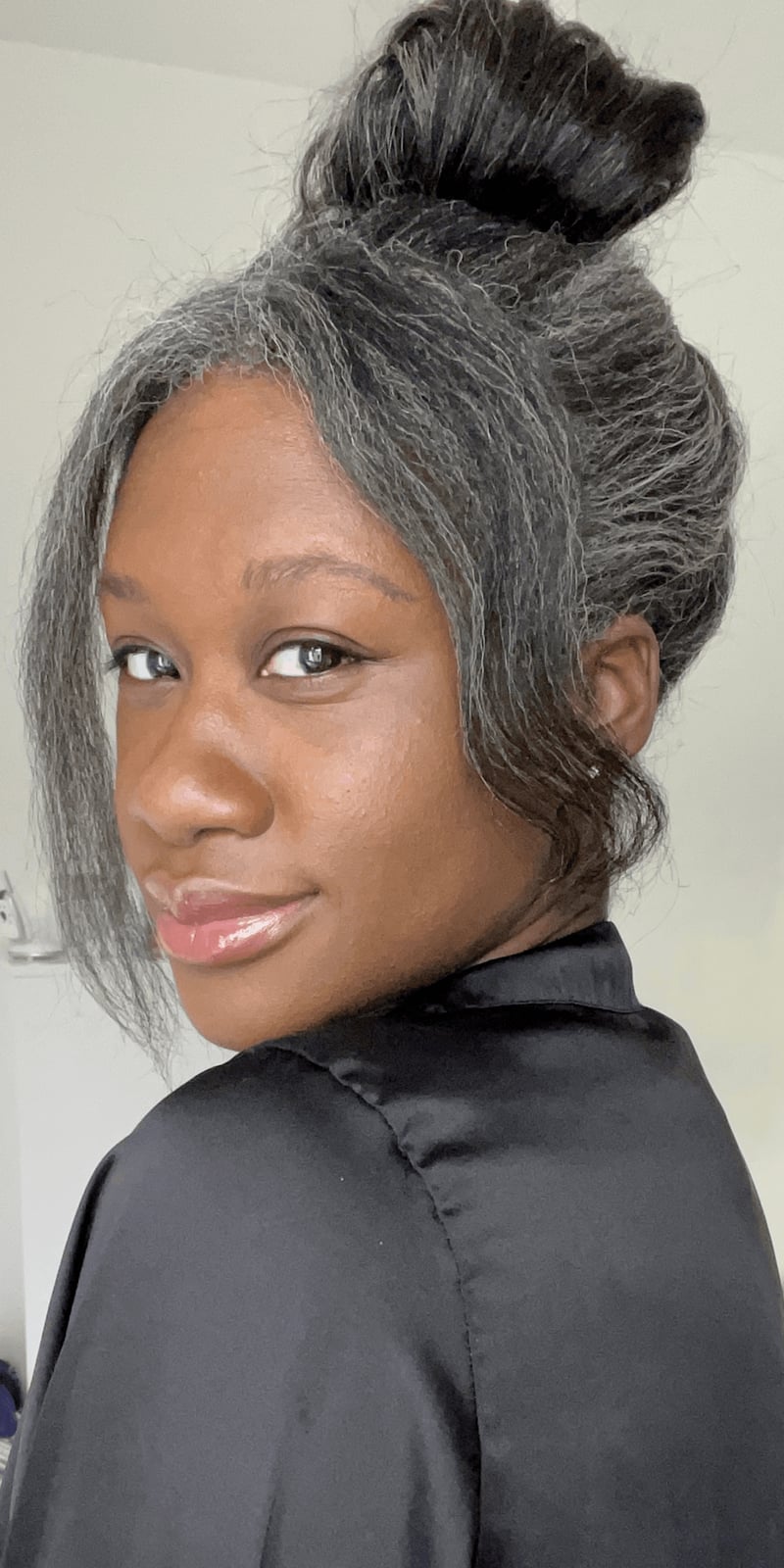
Pull a bun together loosely, then take a step back. Silver and dark gray strands weave through this updo, with face-framing wisps left out to soften the front. Wavy, fine hair holds this shape best. The texture gives the bun grip without pins sliding out. Skip it if you need a neat, structured updo for an event where hair must stay put all night.
Ask your stylist for: messy bun updo, silver and dark gray strands, face-framing wisps. Day-old hair actually works better here; the slight grit helps the bun stay without extra product. For a casual evening out, pull the wisps out after securing the bun and let them fall naturally.
Final Thoughts
The right cut makes silver hair a decision you only have to make once every eight weeks. Pick by your morning and your mirror.
- Fine hair: blunt or one-length shapes hold density best
- Ten minutes in the morning: a textured bob or pixie air-dries
- Cool base that pulls brassy: keep layers minimal so toner lasts
- Grow-out tolerance: darker roots and face-framing pieces buy you six weeks
Silver hair offers a spectrum of grown-up looks, match the cut to your schedule, not the scroll.

